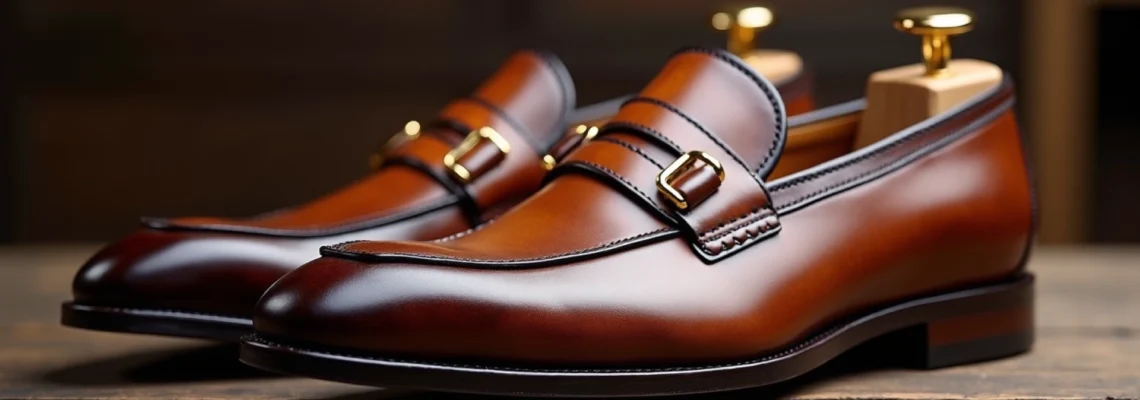
The modern professional’s quest for footwear that seamlessly transitions from boardroom presentations to weekend gatherings has found its answer in the enduring appeal of loafers. These slip-on masterpieces represent more than just a convenient shoe choice – they embody a sophisticated understanding of contemporary lifestyle demands. With their origins tracing back to Norwegian fishing communities and their evolution through Italian craftsmanship, loafers have become the quintessential symbol of effortless elegance in today’s fashion landscape.
What sets premium loafers apart in today’s competitive footwear market isn’t merely their aesthetic appeal, but rather the intricate engineering and meticulous craftsmanship that transforms simple leather into a biomechanically optimised comfort system. The marriage of traditional artisanal techniques with cutting-edge material science has elevated loafers from casual slip-ons to sophisticated instruments of both style and support.
Construction techniques and materials engineering in premium loafer manufacturing
The foundation of exceptional loafers lies in the meticulous selection of construction methods and materials that define their character. Premium manufacturers employ time-honoured techniques passed down through generations, whilst simultaneously embracing innovative materials that enhance performance and durability. This synthesis creates footwear that honours tradition whilst meeting the demanding requirements of contemporary life.
Understanding the construction methodologies behind premium loafers reveals why certain pairs command higher price points and deliver superior long-term value. The choice between different construction techniques directly impacts not only the shoe’s longevity but also its comfort characteristics, flexibility, and overall performance across various wearing conditions.
Goodyear welted construction versus blake stitch methods in loafer durability
The Goodyear welted construction method represents the pinnacle of traditional shoemaking, creating a waterproof barrier between the upper leather and the sole whilst allowing for multiple resoling throughout the shoe’s lifetime. This technique involves stitching the upper to a leather welt, which is then attached to the outsole, creating a triple-layer construction that provides exceptional durability and weather resistance. Premium loafers constructed using this method typically feature a slightly bulkier profile but offer unmatched longevity and the ability to withstand decades of regular wear.
Blake stitch construction, favoured by many Italian manufacturers, creates a more streamlined silhouette by directly stitching the upper, insole, and outsole together. This method produces loafers with superior flexibility and a closer-to-ground feel, making them particularly comfortable for extended periods of walking. Whilst Blake stitched loafers may require more careful maintenance in wet conditions, they offer enhanced breathability and a more refined aesthetic profile that appeals to style-conscious professionals.
Full-grain leather selection and tanning processes for superior comfort
The leather selection process for premium loafers begins with full-grain hides sourced from carefully managed farms where cattle are raised specifically for leather production. Full-grain leather retains the complete grain structure of the hide, including natural markings and texture variations that contribute to each shoe’s unique character. This preservation of the leather’s natural integrity ensures maximum durability, breathability, and the ability to develop a rich patina over time.
Modern tanning processes for luxury loafers typically employ vegetable tanning methods that use natural tannins extracted from tree bark, creating leather with superior flexibility and comfort characteristics. This traditional approach requires significantly longer processing times – often 12 to 16 weeks compared to 24 hours for chemical tanning – but produces leather that moulds naturally to the foot’s contours whilst maintaining structural integrity. The resulting material exhibits exceptional breathability, allowing for temperature regulation that keeps feet comfortable throughout extended wearing periods.
Memory foam integration and orthotic support systems in modern loafers
Contemporary loafer design incorporates advanced cushioning technologies that address the biomechanical demands of modern lifestyles. Memory foam integration involves strategically placed layers of viscoelastic polyurethane that respond to body heat and pressure, creating customised support zones that adapt to individual foot shapes. These systems typically feature dual-density construction, with softer foam providing immediate comfort and firmer layers offering structural support.
Orthotic support systems in premium loafers extend beyond simple cushioning to include anatomically designed arch supports, heel cups, and metatarsal pads. These components work synergistically to maintain proper foot alignment, reduce pressure points, and minimise fatigue during extended periods of standing or walking. Advanced models incorporate biomechanical mapping technology that identifies common pressure points and incorporates targeted relief zones accordingly.
Hand-sewn moccasin construction techniques from italian artisans
Traditional Italian moccasin construction represents the apex of artisanal shoemaking, with skilled craftsmen requiring years of training to master the intricate techniques involved. The process begins with pattern cutting that accounts for the natural stretch characteristics of the leather, ensuring optimal fit and comfort. Hand-stitching techniques employ waxed threads and specific needle angles that create seams capable of withstanding decades of regular wear whilst maintaining their aesthetic appeal.
The distinctive tubular construction of authentic moccasins involves wrapping a single piece of leather around the foot form, creating seamless integration between the upper and sole. This technique eliminates internal seams that could cause pressure points or discomfort, resulting in loafers that feel more like sophisticated slippers than formal footwear. Italian artisans often incorporate signature stitching patterns that serve both functional and aesthetic purposes, reinforcing stress points whilst creating distinctive visual elements that identify the maker’s craftsmanship.
Anatomical foot support technology and biomechanical engineering
The evolution of loafer design has embraced scientific understanding of foot biomechanics, incorporating research from podiatrists, orthopedic specialists, and sports medicine professionals. Modern premium loafers function as sophisticated support systems that address the complex interplay of forces occurring during walking, standing, and various movement patterns throughout the day.
This scientific approach to footwear design considers the foot as part of a kinetic chain that extends through the ankle, knee, hip, and spine. Properly engineered loafers can significantly impact overall posture and reduce fatigue by ensuring optimal weight distribution and maintaining natural gait patterns. The integration of anatomical research into loafer design has created footwear that actively contributes to wearer health and comfort.
Arch support architecture and plantar fascia relief mechanisms
Advanced arch support systems in premium loafers incorporate contoured footbeds that match the natural curvature of the plantar arch, providing targeted support that reduces strain on the plantar fascia ligament. These systems typically feature graduated density materials that offer firmer support at the arch peak whilst providing cushioned comfort in surrounding areas. The design consideration extends to both medial and lateral arch support, ensuring balanced weight distribution across the entire foot structure.
Plantar fascia relief mechanisms employ strategic placement of gel inserts, foam padding, and supportive ridges that work together to reduce tension in this critical connective tissue. Premium models often incorporate pressure mapping technology that identifies individual stress patterns and provides customised relief zones accordingly. These systems prove particularly beneficial for professionals who spend extended periods on their feet or individuals with previous plantar fascia injuries.
Heel counter reinforcement and ankle stability enhancement features
The heel counter construction in premium loafers employs thermoplastic or leather reinforcement that maintains the shoe’s structural integrity whilst providing lateral stability during movement. This component works as a stabilising foundation that prevents excessive heel movement within the shoe, reducing friction and hot spots that could lead to blisters or discomfort. Advanced heel counter designs incorporate graduated flexibility that allows natural ankle movement whilst preventing overpronation or supination.
Ankle stability enhancement features often include subtle external reinforcement elements and internal padding systems that work together to maintain proper foot positioning. These systems prove particularly valuable for individuals with ankle instability issues or those recovering from previous injuries. The engineering approach considers both static support during standing and dynamic stability during walking, creating comprehensive protection throughout various movement patterns.
Toe box ergonomics and metatarsal padding distribution systems
Toe box design in premium loafers requires careful consideration of natural foot shape variations and the accommodation of toe movement during walking. Ergonomic toe boxes feature adequate height and width dimensions that prevent compression of the toes whilst maintaining the sleek aesthetic profile expected from sophisticated footwear. The internal volume distribution accounts for the natural tapering of the foot from the widest point at the metatarsals to the narrower toe area.
Metatarsal padding systems address the high-pressure zone beneath the ball of the foot, where body weight concentrates during the push-off phase of walking. Strategic placement of cushioning materials helps distribute pressure more evenly across this area, reducing fatigue and preventing the development of pressure-related discomfort. Advanced systems incorporate dynamic pressure redistribution technology that adapts to individual gait patterns and weight distribution characteristics.
Shock absorption technology in rubber outsole compounds
Modern rubber outsole compounds incorporate advanced polymer formulations that provide superior shock absorption whilst maintaining durability and traction characteristics. These materials often feature multi-density construction with softer compounds in high-impact areas and firmer materials in wear zones that require enhanced durability. The chemical composition typically includes additives that improve flexibility in cold conditions and prevent hardening over time.
Shock absorption technology extends beyond material selection to include structural design elements such as strategically placed air chambers, gel inserts, and foam cores. These systems work together to attenuate the impact forces generated during heel strike, reducing transmission of shock waves through the skeletal system. Premium loafers often incorporate energy return technology that captures and redirects impact energy to assist with forward propulsion during walking.
Luxury brand analysis: gucci horsebit versus church’s penny loafer design philosophy
The luxury loafer market presents fascinating contrasts in design philosophy, with established brands pursuing distinct approaches to balancing tradition, innovation, and aesthetic appeal. Gucci’s iconic horsebit loafer represents Italian glamour and modern luxury, whilst Church’s penny loafers embody British heritage and traditional craftsmanship. These contrasting philosophies demonstrate how premium manufacturers differentiate their offerings whilst addressing similar consumer needs for comfort and sophistication.
Gucci’s horsebit design philosophy centres around the integration of equestrian heritage with contemporary fashion sensibilities. The distinctive metal hardware serves both functional and aesthetic purposes, creating a visual focal point that immediately identifies the brand whilst providing subtle reinforcement to the shoe’s structural integrity. The Italian approach emphasises sleek silhouettes, premium leather selection, and meticulous attention to finishing details that create an overall impression of effortless luxury .
Church’s penny loafer design philosophy draws from centuries of British shoemaking tradition, prioritising functional excellence and understated elegance over flashy design elements. The brand’s approach emphasises robust construction methods, conservative styling, and materials selected for longevity rather than immediate visual impact. This philosophy creates loafers that improve with age, developing character through wear whilst maintaining their structural integrity for decades.
The distinction between luxury loafer brands often lies not in their price points, but in their fundamental approach to balancing aesthetic innovation with traditional craftsmanship principles.
Comparative analysis reveals that Gucci’s horsebit loafers typically feature softer leather selections that prioritise immediate comfort and visual appeal, whilst Church’s models employ firmer leather that requires a breaking-in period but provides superior long-term durability. The construction methods also differ significantly, with Gucci favouring Blake stitch construction for flexibility and Church’s employing Goodyear welted construction for weather resistance and resoling capability.
Professional wardrobe integration and dress code compliance standards
The integration of loafers into professional wardrobes requires careful consideration of workplace dress codes, industry standards, and cultural expectations that vary significantly across different business environments. Traditional corporate settings often maintain conservative footwear expectations that favour oxfords and brogues, whilst modern creative industries embrace loafers as sophisticated alternatives that reflect contemporary style sensibilities.
Understanding dress code compliance involves recognising the subtle distinctions between different loafer styles and their appropriate applications within professional contexts. Penny loafers with minimal ornamentation typically align with business casual requirements, whilst more elaborate designs featuring tassels, buckles, or distinctive hardware may exceed conservative workplace standards. The colour selection proves equally important, with traditional brown and black options offering greater versatility than bold or unconventional hues.
Financial services, legal professions, and consulting environments traditionally favour conservative footwear choices that prioritise understated elegance over fashion-forward statements. In these contexts, premium loafers succeed when they complement rather than compete with formal business attire. The key lies in selecting styles that enhance professional credibility whilst providing the comfort advantages that make loafers increasingly popular among discerning professionals.
Technology companies, creative agencies, and startup environments often embrace loafers as symbols of sophisticated casual dress that bridges the gap between formal business attire and everyday comfort. These environments typically appreciate the intellectual casualness that quality loafers represent, viewing them as indicators of refined taste and attention to detail rather than strict adherence to traditional dress codes.
| Professional Environment | Acceptable Loafer Styles | Colour Preferences | Material Considerations |
| Corporate Finance | Plain penny loafers, minimal hardware | Black, dark brown only | Polished leather, avoid suede |
| Creative Industries | Tassel, horsebit, driving loafers | Brown, tan, burgundy acceptable | Suede and leather both suitable |
| Law Firms | Traditional penny loafers | Conservative black and brown | Full-grain leather preferred |
| Tech Companies | All styles, including casual | Broader colour palette accepted | Comfort prioritised over formality |
Seasonal adaptability and Climate-Specific loafer variations
The seasonal adaptability of loafers extends beyond simple aesthetic considerations to encompass material properties, construction methods, and design features that address specific climate challenges. Premium manufacturers recognise that year-round wearability requires different approaches to leather selection, lining materials, and sole construction that optimise performance across varying temperature and moisture conditions.
Climate-specific variations in loafer design address the practical challenges of maintaining comfort and protection whilst preserving the sophisticated aesthetic that defines quality footwear. These adaptations involve careful engineering of material combinations, ventilation systems, and protective treatments that extend wearability across seasonal transitions without compromising style or comfort standards.
Suede loafers for spring and summer business casual environments
Suede loafers represent the pinnacle of warm-weather sophistication, offering superior breathability and temperature regulation compared to traditional smooth leather options. The natural texture of suede provides enhanced air circulation through microscopic gaps in the napped surface, creating a cooling effect that proves invaluable during extended periods of warm-weather wear. Premium suede selections typically feature tight, consistent nap that resists matting whilst maintaining their luxurious appearance throughout the season.
The casual elegance of suede loafers makes them particularly suitable for business casual environments where traditional formality gives way to more relaxed professional standards. Spring and summer business settings often appreciate the refined informality that quality suede represents, viewing these shoes as sophisticated alternatives to heavier leather footwear. Colour selections for warm-weather suede loafers typically favour lighter tones such as tan, beige, and grey that complement seasonal wardrobes whilst maintaining professional appropriateness.
Maintenance considerations for suede loafers require understanding of the material’s vulnerability to water damage and staining, necessitating protective treatments and careful storage. Professional suede care involves regular brushing with specialised tools, application of weather-resistant sprays, and prompt attention to any moisture exposure that could compromise the material’s integrity.
Patent leather formal loafers for Black-Tie and evening events
Patent leather loafers occupy a unique position in formal footwear, offering an sophisticated alternative to traditional evening shoes whilst maintaining the slip-on convenience that defines the loafer category. The high-gloss finish of patent leather creates a dramatic visual impact that complements formal evening wear, particularly in black-tie and cocktail party settings where conventional dress shoes might feel overly conservative.
The
manufacturing process of patent leather involves applying multiple layers of lacquer or polyurethane coating to create the characteristic mirror-like finish that defines this premium material. The durability of patent leather makes it particularly suitable for formal occasions where appearance standards remain consistently high throughout extended wear periods. Unlike traditional leather that may scuff or mark during evening events, patent leather maintains its pristine appearance whilst providing adequate breathability for comfortable wear.
The formal application of patent leather loafers requires careful consideration of outfit coordination and event appropriateness. Black patent leather loafers pair exceptionally well with dinner jackets, tuxedos, and formal evening wear, creating a cohesive look that balances traditional elegance with contemporary sophistication. The reflective quality of patent leather creates visual interest whilst maintaining the understated luxury expected in formal settings.
Care requirements for patent leather loafers differ significantly from traditional leather maintenance, requiring specialised cleaning products and storage conditions that preserve the coating integrity. Regular dusting with soft cloths, application of patent leather cleaners, and protection from extreme temperatures ensure these formal loafers maintain their distinctive appearance throughout their service life.
Weather-resistant leather treatments for Year-Round durability
Modern weather-resistant treatments for premium loafers employ advanced chemical formulations that penetrate leather fibres without compromising breathability or aesthetic appeal. These treatments typically include fluoropolymer compounds that create invisible barriers against water, salt, and staining agents whilst maintaining the natural flexibility and appearance characteristics that define quality leather footwear. The application process involves multiple treatment layers that build comprehensive protection against environmental challenges.
Nano-technology applications in weather resistance create molecular-level barriers that repel moisture whilst allowing air circulation through the leather structure. These treatments prove particularly valuable for professionals who encounter varied weather conditions throughout their daily routines, ensuring consistent comfort and protection regardless of environmental challenges. The durability of these treatments typically extends for 6-12 months with regular wear, requiring periodic reapplication to maintain optimal protection levels.
Climate-specific leather treatments address regional weather challenges such as high humidity, salt air exposure, or extreme temperature variations that can compromise leather integrity over time. Premium manufacturers often offer geographic customisation options that tailor weather protection to specific climate zones, ensuring optimal performance in local conditions. These specialised treatments demonstrate the sophisticated engineering approach that modern luxury footwear employs to address practical wearing challenges.
Care and maintenance protocols for preserving loafer longevity
The preservation of premium loafers requires systematic maintenance protocols that address both daily care routines and long-term storage considerations. Professional-grade maintenance extends far beyond simple cleaning, encompassing leather conditioning, structural support, and preventive treatments that maintain both aesthetic appeal and functional performance throughout extended service life. Understanding these protocols enables loafer owners to maximise their investment whilst ensuring consistent comfort and appearance standards.
Daily maintenance begins with proper removal techniques that preserve the heel counter integrity and prevent unnecessary stress on construction elements. Using shoe horns during wearing prevents compression damage to the heel area, whilst cedar shoe trees maintain proper shape during storage periods. These fundamental practices prove critical in preventing common damage patterns that compromise both comfort and appearance over time.
Weekly cleaning routines should address surface dirt, moisture management, and leather conditioning needs that accumulate through regular wear. Premium leather cleaners formulated specifically for luxury footwear provide gentle yet effective removal of accumulated soil whilst preserving the natural oils that maintain leather suppleness. The cleaning process should include inspection for early signs of wear or damage that might require professional attention before becoming significant issues.
Monthly conditioning treatments using high-quality leather conditioners penetrate the material structure to replace natural oils lost through wear and environmental exposure. These treatments prevent cracking, maintain flexibility, and enhance the leather’s natural resistance to water and staining. The selection of appropriate conditioners depends on the specific leather type, with different formulations required for smooth leather, suede, and patent leather applications.
Seasonal maintenance protocols address the specific challenges associated with climate transitions and storage requirements during extended non-use periods. Proper storage involves climate-controlled environments that prevent excessive moisture or dryness that could compromise leather integrity. Professional-grade storage solutions include breathable dust bags, cedar shoe trees, and appropriate spacing that prevents compression or deformation during storage periods.
The investment value of premium loafers extends far beyond their initial purchase price, with proper maintenance protocols enabling decades of reliable service whilst maintaining their sophisticated appearance and comfort characteristics.
Professional restoration services address wear patterns, sole replacement, and structural repairs that extend loafer service life significantly beyond typical footwear expectations. Many premium manufacturers offer restoration services that include resoling, upper repairs, and refinishing treatments that restore loafers to near-original condition. These services prove particularly valuable for high-quality loafers where the construction methods and materials justify the restoration investment.
The economic benefits of systematic loafer maintenance become apparent when compared to replacement costs and the superior comfort characteristics that well-maintained shoes provide. Professional maintenance protocols can extend premium loafer service life to 10-20 years or more, creating exceptional value compared to frequent replacement of lower-quality alternatives. The consistency of comfort and appearance that proper maintenance provides proves invaluable for professionals who depend on their footwear for daily performance and professional presentation.
Understanding the relationship between maintenance quality and long-term performance empowers loafer owners to make informed decisions about care investments and replacement timing. The sophisticated engineering and premium materials employed in luxury loafers respond exceptionally well to proper maintenance, rewarding careful attention with enhanced comfort, durability, and aesthetic appeal that justifies their position as essential elements of the sophisticated professional wardrobe.