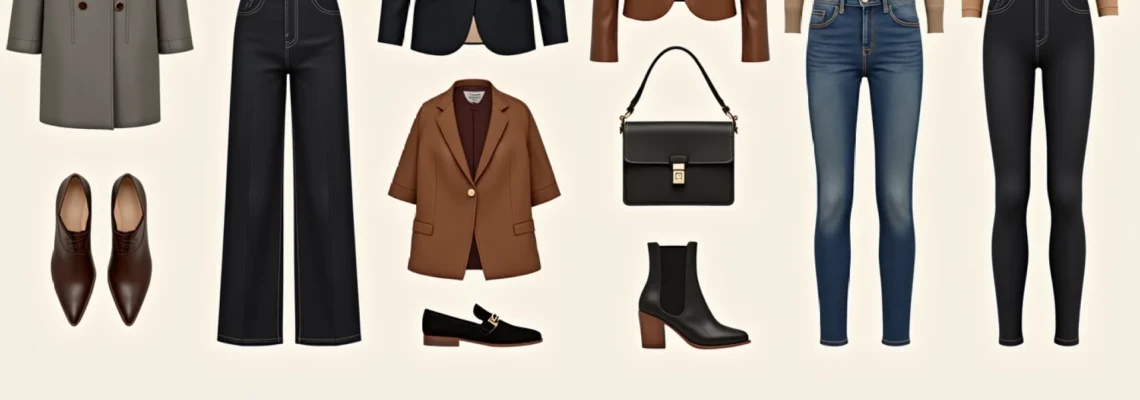
Building a sophisticated wardrobe requires more than following fleeting trends—it demands a deep understanding of quality construction, premium materials, and timeless design principles. The most successful wardrobes are built upon a foundation of expertly crafted essentials that transcend seasonal changes and personal style evolution. These pieces represent significant investments in both quality and versatility, requiring careful consideration of fabric composition, construction techniques, and manufacturing standards. The modern woman’s approach to wardrobe building has evolved beyond simply accumulating clothing to curating a collection of meticulously chosen pieces that serve multiple functions across various contexts. Professional stylists and fashion experts consistently emphasise the importance of investing in fewer, higher-quality pieces rather than filling wardrobes with disposable fashion items.
Foundation garments: building your wardrobe architecture
The foundation of any exceptional wardrobe rests upon expertly constructed garments that serve as the architectural framework for countless outfit combinations. These fundamental pieces must demonstrate superior craftsmanship, utilise premium materials, and exhibit construction techniques that ensure longevity and consistent performance across multiple wears and care cycles.
The perfect white Button-Down shirt: fabric weight and construction details
The quintessential white button-down shirt represents the pinnacle of wardrobe versatility, yet selecting the perfect iteration requires understanding specific technical specifications. Premium cotton poplin with a thread count between 80 and 120 provides the ideal balance of durability and breathability, whilst maintaining a crisp appearance throughout extended wear periods. Single-needle construction along seams ensures superior strength and longevity compared to mass-produced alternatives.
Mother-of-pearl buttons indicate quality manufacturing standards, as these natural materials resist cracking and maintain their lustre through repeated washing cycles. The shirt’s collar construction should feature fused interfacing rather than sewn-in stays, providing structure whilst maintaining flexibility. Sleeve construction details, including reinforced buttonholes and properly aligned plackets, distinguish investment pieces from disposable alternatives.
Black trousers: cut classifications from Straight-Leg to Wide-Leg silhouettes
Understanding trouser construction and silhouette classifications enables informed selection based on body proportions and intended styling applications. Straight-leg trousers with a mid-rise waistline offer universal flattery and professional appropriateness, whilst wide-leg variations provide contemporary appeal and comfort advantages. The fabric composition significantly impacts both appearance and performance— wool crepe blends resist wrinkles and maintain shape better than pure cotton alternatives.
Professional-grade trousers feature French seams or flat-fell seams that prevent fraying and ensure structural integrity. The waistband construction should include curtain lining and proper interfacing to maintain shape and prevent rolling. Quality indicators include hand-finished hems, functional pocket construction, and reinforced stress points at the waistband and crotch areas.
Quality denim: raw selvedge vs. stretch cotton compositions
The distinction between raw selvedge denim and stretch cotton compositions fundamentally affects both the wearing experience and garment longevity. Raw selvedge denim, woven on traditional shuttle looms, develops unique fading patterns and moulds to the wearer’s body over time. This premium construction typically features 100% cotton composition with weights ranging from 12 to 16 ounces, providing durability and authentic texture.
Stretch denim incorporates elastane fibres, typically comprising 1-3% of the total composition, offering enhanced comfort and recovery properties. However, excessive stretch content compromises the fabric’s ability to maintain its shape over extended wear periods. Quality denim construction features reinforced pocket bags, bartacked stress points, and chain-stitched hems that prevent unravelling.
Essential blazer structures: Single-Breasted vs. Double-Breasted tailoring
Blazer construction methodology significantly influences both aesthetic appeal and functional versatility. Single-breasted blazers with notched lapels provide universal appropriateness across professional and casual contexts, whilst double-breasted variations offer more formal appeal with enhanced visual structure. The internal construction quality determines the garment’s longevity— full canvas construction provides superior shape retention compared to fused alternatives.
Premium blazers feature hand-padded lapels, functioning buttonholes on sleeves, and properly constructed shoulder lines that require minimal alteration. The armhole construction should allow comfortable movement without fabric bunching, indicating proper pattern development and manufacturing standards. Quality fabrics for blazers include wool gabardine, wool crepe, and linen-wool blends that maintain their appearance through regular wear.
Investment pieces distinguish themselves through superior construction techniques, premium materials, and timeless design principles that transcend seasonal trends.
Investment outerwear: Climate-Adaptive layering systems
Exceptional outerwear represents the most significant single investment in any wardrobe, requiring careful evaluation of construction techniques, material specifications, and functional performance characteristics. These pieces must demonstrate superior weather resistance whilst maintaining aesthetic appeal across multiple seasons and styling contexts.
Trench coat engineering: gabardine weave and Water-Resistant technologies
Traditional trench coat construction utilises tightly woven gabardine fabric that provides natural water resistance through dense weave construction rather than chemical treatments. Authentic gabardine features a diagonal twill weave that sheds water effectively whilst maintaining breathability. Premium cotton gabardine with thread counts exceeding 200 per square inch offers superior weather protection and longevity compared to synthetic alternatives.
Construction details that indicate quality manufacturing include storm flaps over shoulders and across the back, properly aligned button placement, and reinforced stress points at pocket corners and belt attachment points. The coat’s internal construction should feature a removable lining system that accommodates seasonal temperature variations. Traditional trench coats incorporate functional elements including D-rings for belt attachment, throat latches, and epaulettes that serve both aesthetic and practical purposes.
Wool coat construction: melton vs. cashmere blend performance
Understanding wool coat fabric compositions enables selection based on climate requirements and performance expectations. Melton wool, created through a felting process that produces an extremely dense, weather-resistant surface, provides superior wind and moisture protection. This construction method creates a smooth exterior surface that resists pilling and maintains its appearance through extended wear periods. Melton wool coats typically feature weights between 16 and 20 ounces, providing substantial warmth in harsh weather conditions.
Cashmere blend coats offer enhanced softness and luxurious texture but require more careful maintenance and handling. The optimal cashmere blend incorporates 70-80% wool with 20-30% cashmere, providing durability whilst maintaining the desirable soft hand-feel. Quality coat construction features full lining systems, properly set sleeves, and internal pockets designed to maintain the garment’s silhouette without creating bulk.
Leather jacket architecture: Full-Grain vs. Top-Grain hide classifications
Leather quality classification significantly impacts both appearance and longevity of leather jackets. Full-grain leather retains the complete grain structure, including natural markings and texture variations that contribute to character and durability. This premium leather classification develops attractive patina over time and resists wear better than processed alternatives. Full-grain leather jackets require minimal chemical processing, maintaining the hide’s natural strength and breathability characteristics.
Top-grain leather undergoes surface sanding to remove imperfections, resulting in a more uniform appearance but reduced durability. Quality leather jacket construction features reinforced seams, properly aligned zippers with substantial hardware, and internal pocket systems that don’t compromise the garment’s exterior lines. The jacket’s fit should allow for layering whilst maintaining a tailored silhouette that flatters the wearer’s proportions.
Footwear fundamentals: sole construction and last technology
Premium footwear construction employs specific manufacturing techniques and material selections that dramatically impact both comfort and longevity. Understanding these construction methods enables informed purchasing decisions that maximise value over the product’s lifespan. The foundation of quality footwear begins with the last—the foot-shaped form around which the shoe is constructed. European lasts typically feature narrower heel construction with more pronounced arch support compared to American alternatives, affecting both fit and long-term comfort.
Goodyear welt construction represents the gold standard in premium footwear manufacturing, creating a mechanical bond between the upper leather, sole, and welt that allows for resoling and extended wear life. This construction method requires specialised machinery and skilled craftsmanship, distinguishing premium footwear from mass-produced alternatives. Blake stitch construction offers a sleeker profile with direct attachment of the sole to the upper, providing excellent flexibility but limited resoling options.
Leather sole composition significantly affects both performance and durability. Oak-tanned leather soles provide superior breathability and mould to the wearer’s gait patterns over time, developing enhanced comfort through extended wear. Rubber sole technologies offer superior traction and weather resistance, with premium compounds like Vibram providing excellent durability and grip characteristics. Quality footwear incorporates progressive comfort features including cushioned footbeds, arch support systems, and heel counter reinforcement that maintains structural integrity.
The leather upper construction quality depends on hide selection and tanning processes. Vegetable-tanned leather develops attractive patina whilst maintaining structural integrity, though it requires longer break-in periods compared to chrome-tanned alternatives. Premium footwear features hand-finished details including burnished edges, properly aligned stitching, and reinforcement at stress points that indicate superior craftsmanship standards.
Quality footwear construction techniques determine both immediate comfort and long-term durability, making technical understanding essential for informed purchasing decisions.
Knitwear essentials: fibre composition and gauge specifications
Premium knitwear construction utilises specific fibre compositions and manufacturing techniques that significantly impact both performance characteristics and aesthetic appeal. Understanding gauge specifications enables selection based on intended applications and seasonal requirements. Fine gauge knits, typically 12-gauge and higher, produce smooth surfaces suitable for layering under tailored garments, whilst chunky gauge constructions provide enhanced texture and warmth properties.
Cashmere quality varies significantly based on fibre origin and processing methods. Mongolian cashmere provides superior softness and durability compared to alternatives, with longer fibre staples that resist pilling and maintain appearance through repeated wear cycles. The finest cashmere grades utilise fibres measuring 14-15.5 microns in diameter, creating exceptionally soft hand-feel whilst maintaining structural integrity.
Merino wool represents an excellent balance of performance and value, offering natural temperature regulation, moisture-wicking properties, and odour resistance. Premium merino wool utilises fibres measuring 18.5 microns or less, providing softness comparable to cashmere whilst maintaining wool’s inherent durability characteristics. Superwash treatments enhance care convenience but may compromise the wool’s natural properties.
Construction quality indicators in knitwear include fully fashioned seaming, reinforced shoulder construction, and proper finishing techniques that prevent unravelling. Linking construction rather than overlocking provides superior seam strength and aesthetic appeal, particularly visible in premium cardigans and pullover construction. Quality knitwear features consistent tension throughout the garment, proper blocking to achieve intended measurements, and reinforcement at stress points including necklines and cuff areas.
Accessory cornerstones: hardware durability and material longevity
Premium accessories require evaluation based on construction techniques, material specifications, and hardware quality that ensure long-term performance and aesthetic appeal. These finishing touches significantly impact overall outfit sophistication and require careful selection based on versatility and quality standards.
Handbag construction: goodyear welted vs. cemented attachment methods
Luxury handbag construction employs specific attachment methods that significantly impact both durability and repairability. Goodyear welted construction in handbags involves mechanical attachment of components that allows for reconstruction and repair, extending the product’s usable lifespan significantly. This premium construction method requires skilled craftsmanship and specialised equipment, distinguishing luxury accessories from mass-produced alternatives.
Cemented construction utilises adhesive bonding systems that provide immediate strength but limit repair options when components fail. Premium handbag construction features reinforced stress points, quality hardware with substantial weight and smooth operation, and internal organisation systems that maintain functionality without compromising structural integrity. Leather selection for handbags should prioritise full-grain hides that develop attractive patina whilst resisting wear and damage.
Belt manufacturing: Vegetable-Tanned leather vs. Chrome-Tanned processes
Belt leather tanning processes fundamentally affect both appearance development and longevity characteristics. Vegetable tanning utilises natural tannins extracted from tree bark and other plant materials, creating leather that develops rich patina over time whilst maintaining structural integrity. This traditional process requires several months but produces leather with superior ageing characteristics and environmental benefits compared to chemical alternatives.
Chrome tanning provides consistent colour and texture with faster production times but limits patina development and may compromise long-term durability. Premium belt construction features edge finishing techniques including burnishing or painting that prevent moisture penetration and fraying. Hardware quality significantly impacts both functionality and aesthetic appeal—solid brass or stainless steel buckles resist corrosion and maintain their appearance through extended wear periods.
Jewellery metallurgy: sterling silver 925 vs. gold fill compositions
Understanding precious metal compositions enables informed jewellery selection based on durability, appearance, and maintenance requirements. Sterling silver 925 contains 92.5% pure silver with 7.5% copper or other alloy metals that provide structural strength whilst maintaining the desirable silver appearance. This composition offers excellent value whilst requiring periodic maintenance to prevent tarnishing and maintain lustre.
Gold fill construction provides enhanced durability compared to gold plating through mechanical bonding of a substantial gold layer to a base metal core. Quality gold fill jewellery contains at least 5% gold by weight, providing longevity and tarnish resistance superior to electroplated alternatives. Solid gold jewellery offers maximum durability and value retention but requires significant investment for quality pieces.
Silk scarf production: mulberry silk weight measurements and hem techniques
Premium silk scarf construction utilises specific silk grades and finishing techniques that significantly impact both appearance and durability. Mulberry silk, produced by silkworms fed exclusively on mulberry leaves, provides superior strength and lustre compared to wild silk alternatives. Silk weight measurements, expressed in momme (mm), indicate fabric density and quality—premium scarves typically utilise 16-22mm silk that provides optimal drape whilst maintaining durability.
Hand-rolled hems represent the pinnacle of silk scarf finishing, creating invisible seaming that maintains the fabric’s natural drape characteristics. Machine-rolled hems provide acceptable alternatives with enhanced consistency, whilst raw edges indicate lower-quality construction that may fray over time. Premium silk scarves feature properly registered print alignment, colourfast dyes that resist fading, and consistent fabric weight throughout the piece.
Understanding technical specifications and construction methods enables informed investment in accessories that provide both immediate satisfaction and long-term value.
Fabric care technology: preservation methods for wardrobe longevity
Implementing proper care protocols extends garment lifespan significantly whilst maintaining appearance standards and performance characteristics. Modern fabric care technologies offer enhanced cleaning effectiveness whilst minimising environmental impact and fabric stress. Understanding specific care requirements for different fibre compositions prevents damage and preserves investment value.
Professional dry cleaning utilises perchloroethylene or hydrocarbon solvents that effectively remove oil-based stains without damaging delicate fibres or construction details. Green dry cleaning alternatives including liquid CO2 and wet cleaning provide environmental benefits whilst maintaining cleaning effectiveness for most garment types. Quality dry cleaners employ experienced professionals who understand specific fabric requirements and construction techniques.
Home care techniques require understanding of fibre characteristics and appropriate treatment methods. Natural fibres including wool and silk benefit from gentle hand washing with pH-neutral detergents, whilst synthetic blends may tolerate machine washing with temperature and agitation controls. Proper drying techniques prevent shrinkage and shape distortion—flat drying maintains knit garment dimensions, whilst hanging may cause stretching in heavy garments.
Storage methodologies significantly impact garment condition during off-season periods. Cedar storage systems provide natural moth deterrent properties whilst allowing air circulation that prevents mildew development. Proper garment storage includes acid-free tissue paper for delicate items, breathable garment bags for hanging pieces, and climate-controlled environments that prevent extreme temperature and humidity fluctuations. Quality storage solutions represent investments in wardrobe preservation that extend garment lifespans substantially.
Professional
garment restoration services offer specialised treatments for vintage pieces and designer items that require expert handling to maintain their integrity and value.
Steam pressing provides superior results compared to traditional ironing methods, particularly for tailored garments that benefit from professional-grade equipment. Quality fabric care involves understanding specific temperature requirements for different fibre compositions—wool requires lower temperatures and minimal pressure to prevent crushing and shine development, whilst cotton can tolerate higher heat settings for effective wrinkle removal.
Stain removal protocols must address contamination immediately to prevent permanent setting. Oil-based stains require different treatment approaches compared to protein or tannin stains, with specific solvents and techniques appropriate for each contamination type. Professional-grade stain removal products often provide superior results compared to household alternatives, particularly for delicate fabrics or complex stain compositions that require specialised knowledge and equipment.
Investment garments justify professional maintenance costs through extended lifespan and maintained appearance standards. Quality care services understand construction details, fabric compositions, and appropriate treatment methods that preserve both aesthetic appeal and structural integrity. Regular professional maintenance prevents minor issues from developing into major problems that could compromise garment usability or require expensive restoration procedures.
Proper fabric care represents an ongoing investment in wardrobe preservation that significantly extends the lifespan and maintains the appearance of quality garments, ensuring maximum return on initial clothing investments.
Preventive care measures include regular inspection for loose buttons, minor repairs, and proper storage protocols that address environmental factors before they cause damage. Understanding fabric behaviour under different conditions enables proactive maintenance that prevents deterioration and maintains garment performance characteristics throughout extended ownership periods.