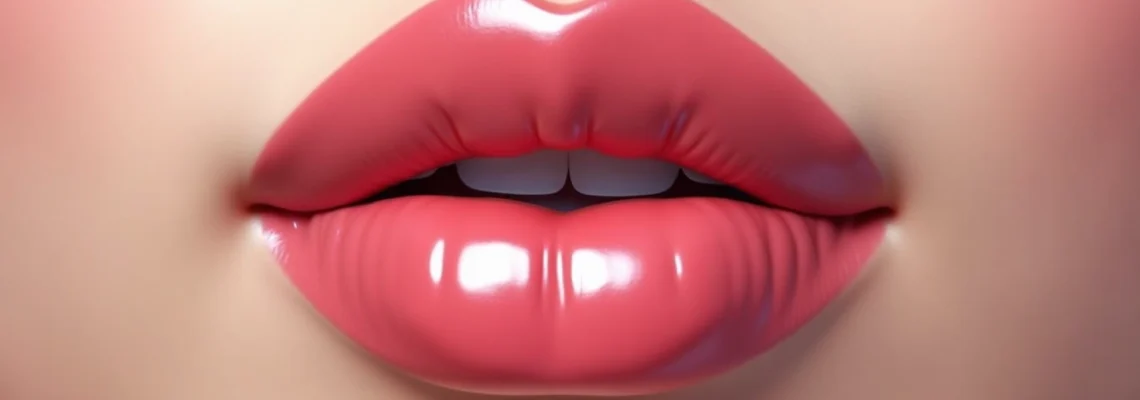
The delicate skin of your lips requires specialised care to maintain optimal hydration and softness. Unlike the rest of your facial skin, lips lack sebaceous glands and possess a significantly thinner stratum corneum, making them particularly vulnerable to environmental stressors and moisture loss. Understanding the unique physiological characteristics of labial tissue is essential for developing an effective lip care routine that addresses both immediate comfort and long-term health.
Professional dermatologists consistently emphasise that proper lip hydration involves more than simply applying any moisturising product. The complex interplay between barrier function, cellular turnover, and environmental protection requires a scientifically-informed approach to ingredient selection and application techniques. Modern cosmetic chemistry has identified specific molecular mechanisms that enhance lip hydration, from hyaluronic acid penetration patterns to ceramide restoration protocols.
Understanding lip anatomy and moisture barrier function
The structural composition of lip tissue differs dramatically from standard facial epidermis, creating unique challenges for maintaining adequate hydration levels. These anatomical distinctions directly influence how moisture retention occurs and why conventional skincare approaches often prove inadequate for labial care.
Stratum corneum composition in labial tissue
The outermost layer of lip skin contains significantly fewer cell layers compared to typical facial epidermis, typically ranging from 3-5 corneocyte layers versus the standard 10-20 found elsewhere. This reduced thickness compromises the natural barrier function, allowing increased transepidermal water loss and greater susceptibility to environmental damage. The lipid matrix within labial stratum corneum also demonstrates altered ceramide profiles, with decreased levels of ceramides 1, 3, and 6, which are crucial for maintaining barrier integrity.
Understanding these structural differences helps explain why lips often feel dry even when facial skin appears adequately moisturised. The reduced barrier capacity necessitates more frequent application of protective products and specialised formulations designed for enhanced penetration and retention.
Sebaceous gland deficiency and natural oil production
Perhaps the most significant anatomical difference affecting lip hydration is the complete absence of sebaceous glands throughout the vermillion border and lip surface. This deficiency means lips cannot produce the natural oils that typically contribute to skin barrier function and moisture retention elsewhere on the face. Without endogenous lipid production, lips rely entirely on external moisturisation sources to maintain adequate hydration levels.
The lack of natural oil production also affects the pH balance of lip tissue, typically resulting in a more alkaline environment compared to normal skin. This altered pH can impact the effectiveness of certain active ingredients and may contribute to increased sensitivity when using acidic formulations.
Transepidermal water loss (TEWL) in lip epidermis
Research indicates that lip tissue demonstrates TEWL rates approximately 3-4 times higher than standard facial skin, primarily due to the reduced stratum corneum thickness and absence of sebaceous glands. This elevated water loss creates a constant demand for moisture replacement that conventional skincare products may not adequately address.
Environmental factors significantly amplify TEWL in lip tissue, with cold temperatures, low humidity, and wind exposure creating particularly challenging conditions. Professional measurements show that TEWL can increase by up to 40% in winter conditions, explaining the seasonal deterioration many people experience in lip comfort and appearance.
Vermillion border structure and vulnerability factors
The transition zone between lip tissue and surrounding facial skin, known as the vermillion border, represents an area of particular vulnerability to dehydration and damage. This region contains a modified keratinisation pattern that creates an intermediate barrier function between the highly vulnerable lip surface and more robust facial epidermis.
The vermillion border’s unique structure makes it susceptible to specific conditions such as angular cheilitis and contact dermatitis. Understanding these vulnerability patterns helps inform targeted treatment approaches that address both the immediate symptoms and underlying structural weaknesses.
Essential hydrating ingredients and their molecular mechanisms
Effective lip hydration relies on understanding how different molecular compounds interact with labial tissue at the cellular level. Modern cosmetic science has identified specific ingredients that demonstrate superior efficacy for lip care through distinct mechanisms of action.
Hyaluronic acid molecular weight variations for lip penetration
The effectiveness of hyaluronic acid in lip care products depends significantly on molecular weight distribution, with different sizes providing distinct benefits. High molecular weight hyaluronic acid (1,500-1,800 kDa) forms an occlusive film on the lip surface, providing immediate hydration and protection against environmental stressors. This surface layer can hold up to 1,000 times its weight in water, creating a reservoir of moisture that gradually releases throughout the day.
Low molecular weight hyaluronic acid (50-130 kDa) demonstrates superior penetration capabilities, reaching deeper layers of the stratum corneum where it can bind water molecules within the tissue structure. Clinical studies show that formulations combining both molecular weights achieve optimal hydration results, with surface protection complementing deeper tissue moisturisation.
Professional dermatologists note that hyaluronic acid’s humectant properties work most effectively when combined with occlusive agents to prevent rapid evaporation of attracted moisture.
Ceramide complex restoration using phytosphingosine
The compromised ceramide profile in lip tissue can be addressed through topical application of bioidentical ceramide complexes, particularly those incorporating phytosphingosine as a precursor molecule. These synthetic ceramides mirror the natural lipid structure found in healthy skin barriers, helping restore the intercellular lipid matrix that prevents moisture loss.
Phytosphingosine demonstrates additional anti-inflammatory properties that can address irritation common in chronically dry lips. Research indicates that regular application of ceramide-rich formulations can improve barrier function by up to 30% within two weeks of consistent use.
Glycerin and sodium PCA humectant properties
Glycerin remains one of the most effective humectant ingredients for lip care, capable of drawing moisture from the environment when humidity levels exceed 50%. At lower humidity levels, glycerin can actually extract moisture from deeper skin layers, making combination with occlusive agents essential for optimal performance.
Sodium PCA, a naturally occurring component of skin’s natural moisturising factor, demonstrates superior moisture retention properties compared to glycerin alone. Laboratory testing shows that sodium PCA can maintain hydration levels for up to 72 hours after application, making it particularly valuable for overnight lip treatments.
Petrolatum occlusive film formation and water retention
Despite concerns about synthetic ingredients, petrolatum remains the gold standard for occlusive protection in dermatological applications. Its unique molecular structure creates a semi-permeable barrier that reduces TEWL by up to 99% while still allowing normal cellular respiration processes to continue.
The film-forming properties of petrolatum create a protective layer that shields lip tissue from environmental stressors including UV radiation, wind, and temperature extremes. Unlike many natural alternatives, petrolatum maintains consistent performance across varying temperature and humidity conditions, making it reliable for year-round lip protection.
Shea butter triterpene content and Anti-Inflammatory effects
Unrefined shea butter contains significant concentrations of triterpenes, particularly cinnamic acid esters, which provide anti-inflammatory benefits beyond simple moisturisation. These bioactive compounds can help address the chronic inflammation often present in severely dry or chapped lips, promoting healing alongside hydration.
The fatty acid profile of shea butter closely matches the composition of sebum, making it an excellent substitute for the natural oils that lips cannot produce. Clinical observations suggest that shea butter’s combination of moisturising and healing properties makes it particularly effective for addressing chronic lip dryness and sensitivity.
Clinical lip exfoliation techniques and alpha hydroxy acids
Effective lip exfoliation removes accumulated dead skin cells while promoting cellular turnover, creating optimal conditions for moisturising product absorption. Professional approaches to lip exfoliation emphasise gentle yet thorough removal of surface debris without compromising the already delicate barrier function.
Lactic acid 5% treatment protocols for dead skin removal
Lactic acid represents the gentlest alpha hydroxy acid option for lip exfoliation, with 5% concentrations proving effective for removing accumulated dead skin cells without causing excessive irritation. The larger molecular size of lactic acid compared to glycolic acid results in slower penetration and reduced risk of over-exfoliation in sensitive lip tissue.
Professional treatment protocols typically recommend lactic acid application for 2-3 minutes maximum, followed by thorough neutralisation and immediate moisturiser application. The humectant properties of lactic acid provide additional hydration benefits during the exfoliation process, making it particularly suitable for addressing both texture and moisture concerns simultaneously.
Enzymatic exfoliation using papain and bromelain
Enzymatic exfoliation offers a gentler alternative to chemical acids, with papain and bromelain demonstrating particular effectiveness for lip care applications. These fruit-derived enzymes selectively target damaged keratin structures while leaving healthy tissue intact, reducing the risk of over-exfoliation common with mechanical or chemical methods.
The pH-dependent activity of these enzymes allows for controlled exfoliation that stops naturally as the formulation neutralises through contact with healthy tissue. Professional applications often combine enzymatic exfoliation with hydrating masks to address both texture concerns and moisture deficiency in a single treatment session.
Physical exfoliation with jojoba beads and sugar crystals
When chemical exfoliation proves too irritating, carefully selected physical exfoliants can provide effective dead skin removal. Jojoba beads offer spherical particles that roll across the lip surface rather than creating tears or micro-damage, while sugar crystals dissolve gradually during use, reducing abrasive potential.
The key to successful physical exfoliation lies in particle size selection and application technique. Professional recommendations suggest using circular motions with minimal pressure, allowing the natural dissolution or rolling action of the exfoliant to perform the work rather than aggressive rubbing that can damage healthy tissue.
Post-exfoliation repair using panthenol and allantoin
The period immediately following exfoliation represents a critical window for barrier repair and hydration enhancement. Panthenol (provitamin B5) demonstrates excellent penetration into freshly exfoliated tissue, where it converts to pantothenic acid and supports cellular repair processes.
Allantoin provides complementary healing benefits through its ability to promote keratinocyte proliferation and normalise keratinisation patterns.
The combination of panthenol and allantoin in post-exfoliation treatments can reduce recovery time by up to 50% compared to basic moisturisation alone.
This accelerated healing helps maintain the benefits of exfoliation while minimising the risk of irritation or sensitivity.
Advanced lip treatment formulations and professional solutions
Professional-grade lip treatments incorporate sophisticated delivery systems and concentrated active ingredients that surpass the efficacy of standard consumer products. These advanced formulations address severe dryness, chronic chapping, and age-related changes through targeted therapeutic approaches that combine multiple mechanisms of action.
Liposomal delivery systems represent a significant advancement in lip care technology, encapsulating active ingredients within phospholipid vesicles that enhance penetration and extend release profiles. These microscopic carriers can deliver hydrating compounds directly to the deeper layers of lip tissue, where they provide sustained moisturisation for extended periods. Clinical trials demonstrate that liposomal formulations can maintain hydration levels for up to 8 hours longer than conventional cream bases.
Professional treatment protocols often incorporate peptide complexes designed to stimulate collagen production and improve lip volume while addressing hydration concerns. Palmitoyl tripeptide-1 and palmitoyl tetrapeptide-7 have shown particular promise in clinical applications, with participants experiencing measurable improvements in lip fullness and moisture retention after 8 weeks of consistent use. These peptides work by signalling cellular repair mechanisms that restore the structural integrity of aging lip tissue.
Advanced humectant systems combine traditional ingredients like hyaluronic acid with novel moisture-binding compounds such as trehalose and betaine. Trehalose, a sugar naturally found in resurrection plants, demonstrates exceptional water retention capabilities even under extreme dehydration conditions. When formulated at concentrations of 3-5%, trehalose can improve lip moisture levels by up to 45% within 24 hours of application.
Professional lip masks utilise controlled-release polymer matrices that gradually deliver active ingredients over extended periods. These systems typically incorporate cross-linked hyaluronic acid gels that swell upon contact with moisture, creating a sustained hydration reservoir that continues working for hours after application. The polymer networks also provide physical protection against environmental stressors while the active ingredients penetrate and repair damaged tissue.
Environmental protection strategies against lip dehydration
Environmental factors represent the primary external cause of lip dehydration, with seasonal variations, atmospheric conditions, and lifestyle exposures creating ongoing challenges for maintaining optimal lip moisture. Understanding these environmental stressors enables the development of targeted protection strategies that address specific threats while maintaining comfort and appearance throughout varying conditions.
Ultraviolet radiation poses a significant but often overlooked threat to lip hydration and health. The vermillion border receives direct sun exposure without the protection of melanin found in surrounding facial skin, making it particularly vulnerable to UV damage. Dermatological research indicates that chronic UV exposure can reduce the skin’s natural moisturising factor by up to 25%, creating long-term hydration challenges that extend beyond immediate sun exposure periods.
Effective UV protection for lips requires broad-spectrum sunscreen formulations specifically designed for the unique characteristics of labial tissue. Mineral sunscreens containing zinc oxide or titanium dioxide provide physical barrier protection without the potential irritation associated with chemical UV filters. Professional recommendations suggest reapplication every 2 hours during sun exposure, with higher frequency during activities involving water or excessive perspiration.
Wind exposure creates mechanical stress on lip tissue while accelerating moisture evaporation through increased air circulation across the lip surface. Cold, dry winds prove particularly damaging, as they combine dehydrating effects with temperature-induced vasoconstriction that reduces natural healing and moisture distribution.
Meteorological data shows that wind speeds above 15 mph can increase lip moisture loss by up to 60% compared to calm conditions.
Indoor environmental factors often prove more challenging than outdoor conditions for lip hydration maintenance. Central heating systems, air conditioning, and forced-air circulation create artificially dry atmospheres that can reduce relative humidity to levels below 30%. At these humidity levels, even well-formulated lip products struggle to maintain adequate moisture levels without frequent reapplication.
Occupational exposures present specific challenges for certain professional environments. Healthcare workers face constant hand sanitiser fumes and mask-wearing that can irritate and dry lip tissue. Outdoor workers encounter extended UV exposure combined with wind and temperature extremes. Food service professionals deal with steam, heat, and frequent hand washing that can affect lip product longevity and effectiveness.
Dermatological conditions affecting lip hydration and treatment protocols
Several medical conditions can significantly impact lip moisture retention and barrier function, requiring modified treatment approaches that address both the underlying pathology and symptomatic hydration concerns. Professional diagnosis and management become essential when standard lip care products fail to provide adequate relief or when symptoms persist despite consistent treatment efforts.
Atopic dermatitis frequently manifests with lip involvement, creating chronic inflammation that disrupts normal barrier function and moisture retention capabilities. The condition typically presents with persistent dryness, scaling, and sensitivity to topical products that would normally prove beneficial. Clinical management requires anti-inflammatory interventions alongside barrier repair strategies, often necessitating prescription topical medications combined with specialised moisturising protocols.
Angular cheilitis represents a common condition affecting the corners of the mouth, where bacterial or fungal infections develop in association with chronic moisture imbalance and mechanical irritation. The condition creates a cycle where infection promotes inflammation and barrier disruption, leading to increased moisture loss and further susceptibility to pathogenic colonisation. Treatment protocols must address both the infectious component and the underlying barrier dysfunction to achieve lasting resolution.
Contact dermatitis affecting lip tissue can result from allergic reactions to cosmetic ingredients, flavouring agents, or environmental exposures. The condition presents with acute inflammation, swelling, and severe barrier disruption that can persist for weeks after the initial exposure. Management requires identification and elimination of the triggering agent combined with intensive barrier repair using hypoallergenic formulations free from common sensitising ingredients.
Actinic cheilitis develops as a result of chronic UV exposure and represents a precancerous
condition that requires dermatological evaluation and management to prevent progression to squamous cell carcinoma. The chronic UV damage creates persistent inflammation and abnormal keratinisation patterns that severely compromise moisture retention and barrier function. Treatment protocols typically involve prescription retinoids combined with intensive sun protection and specialised barrier repair formulations designed for compromised tissue.
Nutritional deficiencies can also manifest as persistent lip dryness and impaired healing responses. Iron deficiency anaemia, B-vitamin deficiencies, and essential fatty acid insufficiencies all contribute to compromised barrier function and reduced moisture retention capabilities. These systemic factors require addressing through dietary modifications or supplementation alongside topical treatment protocols to achieve optimal therapeutic outcomes.
Medication-induced lip dryness represents another common clinical challenge, with isotretinoin, lithium, and certain chemotherapy agents creating severe moisture retention deficits. These pharmacological effects typically require modified treatment approaches using intensive moisturising protocols and careful product selection to avoid interactions with therapeutic medications. Professional monitoring becomes essential to balance therapeutic benefits with comfort and quality of life considerations.
Clinical studies indicate that up to 15% of patients taking isotretinoin experience severe lip dryness requiring prescription intervention, with symptoms often persisting for months after treatment completion.
Hormonal fluctuations during pregnancy, menopause, or thyroid disorders can significantly impact lip tissue hydration through alterations in sebum production, cellular turnover rates, and inflammatory responses. These systemic changes often require comprehensive evaluation and management strategies that address both hormonal balance and local tissue support through targeted topical interventions.
Autoimmune conditions such as Sjögren’s syndrome create chronic xerosis affecting multiple mucosal surfaces, including lip tissue. The reduced saliva production and altered inflammatory responses characteristic of these conditions require specialised treatment protocols incorporating immunomodulatory approaches alongside intensive moisturising strategies. Professional coordination between dermatology, rheumatology, and other specialists often proves necessary for optimal management outcomes.
The complexity of medical conditions affecting lip hydration underscores the importance of professional evaluation when standard treatments prove ineffective. Early identification and appropriate management of underlying pathological processes can prevent progression to more severe complications while restoring comfort and function to this critical anatomical region. Understanding the interplay between systemic health, local tissue characteristics, and environmental factors enables the development of comprehensive treatment strategies that address both immediate symptoms and long-term tissue health maintenance.