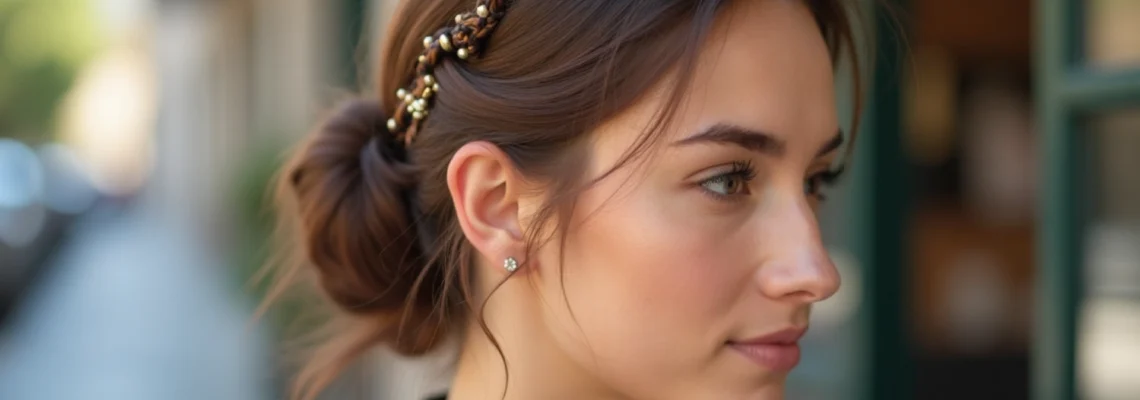
Hair accessories represent one of the most transformative elements in contemporary styling, offering countless opportunities to elevate ordinary hairstyles into sophisticated looks. These versatile tools serve both functional and aesthetic purposes, providing the perfect balance between practicality and visual appeal. From subtle bobby pins that create invisible support to statement barrettes that command attention, the strategic use of hair accessories can completely transform your appearance whilst maintaining professional standards.
The art of accessorising hair extends far beyond simple decoration. Professional stylists understand that the correct selection and placement of accessories can alter face shape perception, enhance natural hair texture, and create visual interest that complements your overall aesthetic. Whether you’re preparing for a boardroom meeting or a casual weekend outing, mastering the fundamentals of hair accessory integration will provide you with endless styling possibilities.
Essential hair accessory categories for professional styling applications
Understanding the fundamental categories of hair accessories forms the foundation for creating polished, professional hairstyles. Each category serves specific purposes and offers unique advantages depending on your hair type, desired outcome, and occasion requirements. The key lies in recognising which accessories work best for particular styling objectives and how to combine them effectively.
Bobby pin placement techniques for invisible hold systems
Bobby pins remain the unsung heroes of professional hairstyling, providing essential support whilst remaining virtually invisible when properly positioned. Strategic placement requires understanding the natural growth patterns of your hair and working with these patterns rather than against them. The most effective technique involves inserting bobby pins at slight angles, with the ridged side facing your scalp to maximise grip.
Creating an invisible hold system requires layering bobby pins in a grid pattern, particularly for updos and sleek styles. Professional stylists recommend using pins that match your hair colour exactly, as even slight variations can become noticeable under different lighting conditions. For maximum security, cross two bobby pins in an X formation at stress points where your hairstyle might otherwise lose its structure throughout the day.
Hair elastic selection based on hair density and texture analysis
The selection of appropriate hair elastics significantly impacts both the longevity and appearance of your hairstyle. Hair density analysis reveals whether you require standard elastics for fine hair or heavy-duty options for thick, coarse textures. Spiral hair ties have gained popularity amongst professionals due to their ability to distribute pressure evenly, reducing the likelihood of breakage and creasing.
Texture considerations extend beyond simple thickness measurements. Curly and textured hair benefits from fabric-covered elastics or scrunchies that minimise friction and reduce frizz formation. Conversely, straight, fine hair often requires firmer elastics with better grip to prevent slippage throughout the day. The investment in quality elastics pays dividends in styling longevity and hair health.
Headband integration methods for volume enhancement
Headbands serve dual purposes in professional styling, offering both decorative appeal and volume enhancement capabilities . The strategic positioning of headbands can create the illusion of fuller hair whilst providing a polished framework for your overall look. Wide headbands work particularly well for creating height at the crown, whilst thin bands offer subtle sophistication without overwhelming delicate features.
Integration techniques vary significantly depending on your face shape and hair texture. Oval faces can accommodate virtually any headband style, whilst round faces benefit from headbands positioned higher on the head to create vertical emphasis. The key to professional headband integration lies in ensuring the accessory complements rather than competes with your facial features and overall styling aesthetic.
Barrette positioning strategies for asymmetrical face framing
Barrettes offer exceptional versatility in creating asymmetrical styling effects that enhance facial features whilst maintaining professional appropriateness. The positioning of barrettes can dramatically alter the perceived balance of your hairstyle, creating focal points that draw attention to your best features. Side-swept styles secured with decorative barrettes provide elegant solutions for managing fringe areas whilst adding visual interest.
Professional barrette positioning follows specific principles based on facial geometry and hair growth patterns. Positioning barrettes at the golden ratio point (approximately two-thirds along your hairline) creates naturally pleasing proportions. For asymmetrical effects, varying the height and angle of barrette placement can create dynamic visual movement that prevents static, overly formal appearances.
Advanced styling techniques using kirby grips and professional hair tools
Advanced hair accessory applications require understanding the technical aspects of securing complex hairstyles whilst maintaining their structural integrity throughout extended wear periods. Professional-grade accessories such as Kirby grips, tortoiseshell combs, and specialised pins offer superior holding power and durability compared to standard consumer options.
French twist securing methods with tortoiseshell combs
The French twist represents one of the most elegant professional hairstyles, requiring precise securing techniques to maintain its sophisticated silhouette. Tortoiseshell combs provide the ideal combination of strength and aesthetic appeal for this classic style. The natural grip of quality tortoiseshell materials ensures secure hold without the harsh appearance of metal accessories.
Professional French twist construction begins with creating proper tension throughout the twist before introducing securing elements. The primary comb should be inserted at the base of the twist, angled upward to catch maximum hair volume. Secondary combs positioned at strategic points along the twist’s length provide additional security whilst maintaining the style’s clean lines and professional appearance.
Chignon construction using U-Pin anchoring systems
Chignon styles demand robust anchoring systems that can support substantial hair weight whilst remaining invisible to observers. U-pin anchoring systems offer superior holding power compared to traditional bobby pins, particularly for thick or heavy hair textures. The strategic placement of U-pins creates a scaffolding effect that supports the chignon’s structure from multiple angles.
Professional chignon construction requires establishing anchor points before shaping the final style. Begin by creating a secure base using large U-pins positioned in a triangular formation around the intended chignon location. This foundation provides stability for subsequent styling steps whilst ensuring the finished chignon maintains its shape throughout extended wear periods.
Side braid stabilisation with decorative hair rings
Side braids offer versatile styling options that can transition seamlessly from professional to casual settings. Decorative hair rings provide both functional stabilisation and aesthetic enhancement for braided styles. These accessories prevent loosening whilst adding visual interest that elevates simple braids into sophisticated styling statements.
Strategic ring placement along the braid’s length creates rhythm and visual continuity whilst providing multiple securing points. Professional techniques involve spacing rings at mathematically pleasing intervals, typically following the rule of thirds for optimal visual balance. The selection of ring materials should complement your professional wardrobe whilst providing adequate grip for your specific hair texture.
Low bun assembly techniques using spiral hair ties
Low buns represent timeless professional styling that suits virtually any workplace environment. Spiral hair tie technology has revolutionised bun construction by providing superior hold without the tight pressure associated with traditional elastics. These innovative accessories distribute tension evenly, reducing stress on individual hair strands whilst maintaining secure positioning.
Professional low bun assembly begins with creating proper foundation tension before introducing spiral ties. The key lies in achieving consistent tightness throughout the gathering process, ensuring no sections become loose or uneven. Spiral ties should be applied with moderate tension, allowing for natural hair movement whilst preventing structural collapse during daily activities.
Hair Texture-Specific accessory selection methodologies
Different hair textures require tailored approaches to accessory selection, as what works brilliantly for one hair type may prove completely inadequate for another. Understanding your hair’s unique characteristics enables you to choose accessories that enhance rather than fight against your natural texture. This knowledge forms the foundation for consistently successful styling outcomes.
Fine hair presents unique challenges in accessory selection, requiring lightweight options that provide hold without weighing down delicate strands. Heavy barrettes and substantial clips can overwhelm fine hair, creating unflattering proportions and potentially causing breakage. Instead, mini bobby pins and delicate wire accessories offer appropriate solutions that maintain hair health whilst providing necessary support.
Thick, coarse hair demands accessories with substantial holding power and durability. Standard bobby pins often prove inadequate for securing heavy hair sections, necessitating professional-grade alternatives such as jumbo bobby pins or reinforced clips. The investment in appropriate accessories pays immediate dividends in styling longevity and professional appearance maintenance.
Curly and textured hair benefits from accessories designed to work with natural curl patterns rather than against them. Fabric-covered options reduce friction and minimise frizz formation, whilst flexible accessories accommodate natural hair movement without creating uncomfortable tension. Satin-lined headbands and silk scrunchies represent excellent choices for maintaining curl definition whilst providing styling control.
The secret to successful hair accessory integration lies in understanding that accessories should enhance your natural hair characteristics rather than disguise them.
Colour coordination principles for hair accessory integration
Colour coordination between hair accessories and your overall aesthetic requires understanding both complementary colour theory and professional styling principles. The goal extends beyond simple matching, encompassing the creation of cohesive visual narratives that enhance your professional presentation. Strategic colour choices can highlight your best features whilst ensuring your accessories remain appropriate for various professional contexts.
Neutral accessory colours offer the greatest versatility in professional settings, seamlessly integrating with diverse wardrobe choices whilst maintaining sophisticated appeal. Tortoiseshell, brushed metals, and classic black represent timeless choices that complement virtually any hair colour and professional attire. These foundational colours provide reliable options for daily wear whilst building a cohesive accessory collection.
Colour temperature considerations play crucial roles in accessory selection, particularly for individuals with distinct warm or cool undertones. Warm-toned accessories such as gold, bronze, and amber complement golden hair highlights and warm skin tones, whilst cool-toned options including silver, pewter, and grey suit ash-toned hair colours and cool complexions. Understanding your personal colour profile ensures consistently flattering accessory choices.
Seasonal colour adaptations allow for subtle variations in accessory selection that reflect current fashion trends whilst maintaining professional appropriateness. Autumn and winter months favour richer, deeper accessory tones that complement seasonal wardrobe choices, whilst spring and summer seasons welcome lighter, brighter options. Professional stylists recommend maintaining a core collection of neutral accessories supplemented by seasonal accent pieces .
Seasonal styling adaptations using Weather-Resistant hair hardware
Environmental factors significantly impact hair accessory performance, necessitating seasonal adaptations that account for humidity, temperature fluctuations, and weather-related styling challenges. Professional success requires understanding how different accessory materials respond to environmental conditions and selecting options that maintain their effectiveness regardless of external factors.
Summer styling demands accessories that withstand heat and humidity whilst providing secure hold throughout extended outdoor periods. Stainless steel and ceramic accessories offer superior resistance to moisture-related corrosion, maintaining their appearance and functionality despite challenging conditions. Fabric accessories require careful material selection, with synthetic options often outperforming natural fibres in humid environments.
Winter conditions present unique challenges including static electricity and dry air that can affect both hair texture and accessory performance. Anti-static treatments for accessories become essential during colder months, whilst materials selection should prioritise options that won’t become brittle in low temperatures. Metal accessories may require warming before application to prevent discomfort and potential hair damage.
Transitional seasons require versatile accessories that can adapt to rapidly changing conditions throughout single days. Multi-functional accessories that serve various purposes provide excellent value during these periods, allowing you to adjust your styling approach as environmental conditions change. Professional preparedness involves carrying backup accessories that can accommodate unexpected weather variations.
Successful seasonal hair accessory strategies recognise that environmental adaptability is just as important as aesthetic appeal in professional settings.
Professional maintenance protocols for hair accessory longevity
Maintaining hair accessories in optimal condition requires systematic approaches that preserve both functionality and appearance over extended periods. Professional stylists understand that well-maintained accessories not only perform better but also project a more polished, professional image. Investment in quality accessories only pays dividends when accompanied by proper maintenance protocols.
Cleaning protocols vary significantly depending on accessory materials and construction methods. Metal accessories require regular polishing to prevent tarnishing and maintain their lustrous appearance, whilst fabric-covered options need gentle cleaning to preserve their texture and colour integrity. Professional-grade cleaning solutions specifically formulated for hair accessories ensure thorough sanitation without compromising material integrity.
Storage systems play crucial roles in maintaining accessory condition and organisation. Professional storage solutions include compartmentalised cases that prevent accessories from scratching or tangling together. Climate-controlled storage environments help prevent material degradation, particularly important for accessories containing natural materials such as tortoiseshell or wood components.
Regular inspection schedules help identify potential issues before they affect accessory performance or professional appearance. Monthly condition assessments should examine holding mechanisms, material integrity, and overall structural soundness. Timely repairs or replacements prevent professional styling disasters and maintain your consistently polished appearance.
Quality assessment criteria for new accessory purchases include construction durability, material authenticity, and manufacturer reputation. Professional-grade accessories typically feature reinforced construction points, premium materials, and warranty protection that justifies their higher initial cost. Understanding these quality indicators enables informed purchasing decisions that support long-term professional styling success.
Professional maintenance extends beyond individual accessory care to encompass collection management and strategic replacement planning. Developing relationships with reliable suppliers ensures consistent access to preferred accessories, whilst maintaining inventory records helps identify usage patterns and replacement needs. This systematic approach to accessory management supports consistent professional presentation regardless of individual accessory lifecycles.