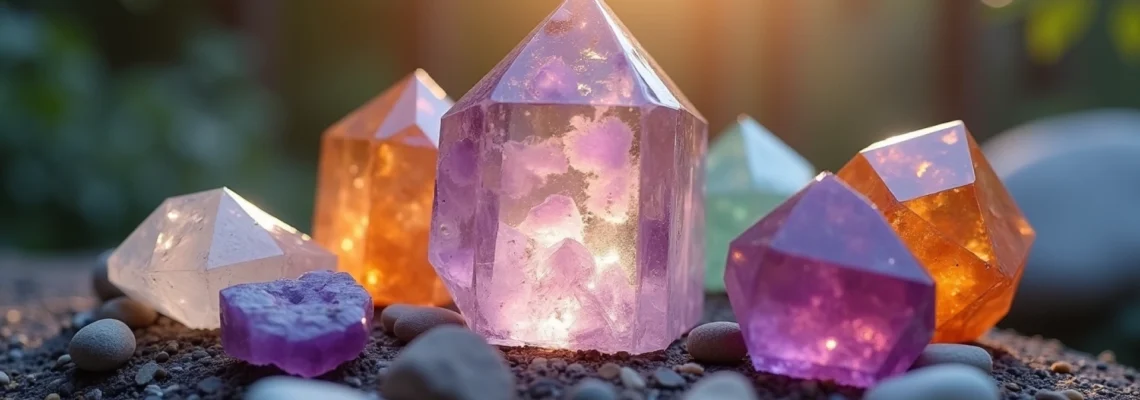
Lithotherapy, the ancient practice of using crystals and gemstones for healing and wellness, has experienced a remarkable resurgence in modern complementary medicine. This therapeutic approach, rooted in millennia-old traditions from Egypt, India, and China, operates on the principle that minerals possess unique vibrational frequencies capable of influencing human energy fields. As contemporary wellness seekers increasingly turn to holistic healing methods, understanding the scientific foundations and practical applications of crystal therapy becomes essential for both practitioners and individuals exploring alternative wellness modalities.
The practice encompasses far more than simply wearing beautiful stones as jewellery. Professional lithotherapy involves sophisticated methodologies for crystal selection, placement, and integration with other healing modalities. Modern practitioners combine traditional wisdom with contemporary understanding of crystalline structures and energy medicine to create comprehensive treatment protocols. The therapeutic potential of healing stones extends across physical, emotional, and spiritual dimensions, offering a multifaceted approach to wellness that complements conventional medical care.
Fundamental principles of crystal healing and vibrational medicine
The theoretical foundation of lithotherapy rests on the concept that all matter, including the human body and crystalline structures, vibrates at specific frequencies. This principle draws from quantum physics theories suggesting that matter and energy are interconnected manifestations of the same fundamental reality. Crystals, formed through millions of years of geological pressure and chemical processes, develop highly ordered atomic structures that produce consistent, measurable vibrational patterns.
These vibrational frequencies interact with the human biofield, the electromagnetic field that surrounds and penetrates the physical body. Research in biofield science indicates that living organisms generate measurable electromagnetic fields through cellular metabolism, nervous system activity, and cardiac rhythms. When crystals are placed in proximity to the body, their stable frequencies may influence these dynamic biological energy patterns, potentially promoting balance and healing.
Piezoelectric properties in quartz and silicon dioxide structures
Quartz crystals demonstrate measurable piezoelectric properties, meaning they generate electrical charges when subjected to mechanical stress. This phenomenon, discovered by Pierre and Jacques Curie in 1880, has practical applications in modern technology, from watches to medical equipment. The silicon dioxide structure of quartz creates a stable crystalline lattice that maintains consistent vibrational frequencies, making it particularly valuable in therapeutic applications.
The piezoelectric effect works bidirectionally – quartz can both generate electricity from mechanical pressure and vibrate when electrical current is applied. This dual functionality suggests that quartz crystals may respond to the subtle electromagnetic fields generated by human biological processes. Professional lithotherapists often utilise clear quartz as a foundational stone precisely because of these scientifically documented properties.
Chakra alignment theory using seven primary energy centres
Traditional chakra theory, originating from ancient Indian Ayurvedic medicine, identifies seven primary energy centres along the spine. Each chakra corresponds to specific physical organs, emotional states, and spiritual qualities. Modern lithotherapy incorporates this framework by matching crystal colours and properties to individual chakra frequencies. The root chakra, associated with grounding and survival instincts, typically responds to red and black stones like garnet or hematite.
The heart chakra, governing love and emotional balance, traditionally aligns with green and pink stones such as rose quartz and green aventurine. This systematic approach provides practitioners with structured protocols for addressing specific imbalances. Contemporary energy medicine has begun exploring potential correlations between chakra locations and major nerve plexuses, suggesting possible physiological foundations for these ancient concepts.
Resonance frequencies and crystalline lattice formations
Different crystal structures produce distinct resonance frequencies based on their molecular composition and geometric arrangements. The hexagonal structure of amethyst generates different vibrational patterns compared to the cubic formation of pyrite or the trigonal system of tourmaline. These variations create a diverse therapeutic palette, with each crystal type offering unique healing potentials.
Crystalline lattice formations influence how minerals interact with electromagnetic fields. The regular, repeating patterns within crystal structures create coherent energy signatures that remain stable over time. This stability contrasts with the often chaotic energy patterns associated with illness or emotional disturbance. Advanced practitioners select crystals based on both their mineral composition and their crystallographic structure to achieve specific therapeutic objectives.
Biofield enhancement through mineral composition analysis
The mineral composition of healing stones directly influences their therapeutic properties. Copper-bearing minerals like malachite and azurite may affect circulation and inflammation, while iron-rich stones such as hematite could influence blood oxygenation and vitality. Lithium-containing minerals, including lepidolite and spodumene, are often used for emotional calming and stress reduction, paralleling the use of lithium in conventional psychiatry.
Trace elements within crystals contribute to their unique healing signatures. Manganese in rhodonite may support emotional healing, while the chromium in emerald could enhance heart chakra activation. Understanding these mineral relationships allows practitioners to select stones based on both energetic properties and potential biochemical influences. Holistic healing approaches recognise that mineral deficiencies in the body might be addressed through extended contact with appropriate crystalline structures.
Essential healing crystals and their therapeutic classifications
Professional lithotherapy relies on a comprehensive understanding of individual crystal properties and their therapeutic applications. Master healers typically work with a core collection of approximately thirty to forty stones, each selected for specific healing qualities and energetic signatures. The classification system organises crystals by colour, chakra association, mineral family, and therapeutic focus, creating a systematic approach to crystal selection and application.
The most effective healing stones demonstrate consistent results across diverse populations and conditions. These crystals have been utilised in traditional healing systems for thousands of years and continue to show promise in contemporary therapeutic settings. Evidence-based practice in lithotherapy combines historical usage patterns with modern clinical observations to identify the most reliable and beneficial stones for specific health concerns.
Amethyst for crown chakra activation and mental clarity
Amethyst, a variety of quartz coloured by iron impurities, ranks among the most versatile and widely used healing crystals. Its violet colour resonates with the crown chakra, supporting spiritual connection, mental clarity, and emotional balance. The stone’s ability to promote calm mental states makes it particularly valuable for meditation practices and stress reduction protocols.
Clinical observations suggest that amethyst may help regulate sleep patterns, reduce anxiety, and support addiction recovery processes. The crystal’s high silicon dioxide content and stable crystalline structure create consistent vibrational frequencies that many individuals find deeply calming. Meditation practitioners often report enhanced focus and spiritual awareness when working with high-quality amethyst specimens during extended practice sessions.
Rose quartz applications in heart chakra healing protocols
Rose quartz, tinted pink by titanium, iron, or manganese inclusions, specialises in heart chakra activation and emotional healing. This gentle stone supports self-love, compassion, and the healing of emotional wounds from past trauma or relationship difficulties. Its soft pink colour and smooth energy signature make it suitable for sensitive individuals and children.
The stone’s therapeutic applications extend beyond emotional healing to include support for the physical heart and circulatory system. Many practitioners place rose quartz over the heart centre during healing sessions to promote both emotional release and cardiovascular wellness. Relationship counsellors increasingly incorporate rose quartz into therapeutic environments to encourage open communication and emotional vulnerability between partners.
Black tourmaline for electromagnetic field protection
Black tourmaline, scientifically known as schorl, demonstrates unique electromagnetic properties that make it valuable for environmental protection and energy clearing. This boron silicate mineral can generate negative ions and exhibits pyroelectric properties, meaning it develops electrical charges when heated or cooled. These characteristics support its traditional use as a protective stone against negative energies and electromagnetic pollution.
Modern applications include placing black tourmaline near electronic devices to potentially mitigate electromagnetic field exposure. The stone’s grounding properties help establish energetic boundaries and may support individuals who feel overwhelmed by environmental stressors. Sensitive individuals often carry black tourmaline to maintain energetic stability in crowded or emotionally charged environments.
Citrine integration in solar plexus energy work
Natural citrine, a yellow variety of quartz coloured by iron hydroxide, resonates with the solar plexus chakra and supports personal power, confidence, and manifestation work. Its golden yellow colour energises the third chakra, promoting self-esteem, decision-making abilities, and personal empowerment. The stone’s warming energy signature makes it particularly valuable for individuals struggling with depression or low motivation.
Citrine’s association with abundance and prosperity extends beyond material wealth to include emotional and spiritual richness. The crystal’s ability to maintain positive energy without requiring frequent cleansing makes it practical for daily wear and extended therapeutic applications. Business professionals often utilise citrine to enhance confidence, creativity, and success in professional endeavours while maintaining ethical business practices.
Clear quartz amplification techniques for master healing
Clear quartz, composed of pure silicon dioxide, functions as the master healer in crystal therapy due to its ability to amplify, store, and transmit energy. Its perfect crystalline structure creates a neutral energy signature that can be programmed with specific intentions or used to enhance the properties of other crystals. The versatility and accessibility of clear quartz make it essential for both beginning and advanced practitioners.
Advanced techniques involve creating crystal grids with clear quartz points to amplify healing intentions across larger spaces or for distant healing applications. The stone’s piezoelectric properties allow it to maintain consistent vibrational frequencies, making it valuable for meditation, energy work, and therapeutic protocols. Professional healers often use clear quartz wands for directing energy during hands-on healing sessions and for clearing energetic blockages in the human biofield.
Clinical lithotherapy methodologies and placement techniques
Professional lithotherapy employs systematic methodologies that combine traditional placement techniques with modern understanding of energy medicine and anatomy. Effective crystal therapy requires precise positioning of stones according to specific protocols that consider chakra locations, meridian pathways, and individual client needs. The therapeutic success of lithotherapy sessions depends heavily on proper stone selection, placement accuracy, and session duration.
Clinical protocols typically begin with comprehensive client assessment, including health history, emotional state evaluation, and energy field analysis. Qualified practitioners utilise various diagnostic techniques to identify energetic imbalances and determine appropriate crystal interventions. Session planning considers both immediate therapeutic goals and long-term wellness objectives, creating personalised treatment approaches that evolve with client progress.
Geometric grid patterns for crystal matrix configurations
Sacred geometry principles guide the creation of crystal grids, which amplify healing intentions through precise geometric arrangements. The most common patterns include the Flower of Life, Seed of Life, and various platonic solid configurations. Each geometric form generates specific energy patterns that influence the overall therapeutic effect of the crystal arrangement.
Grid construction requires careful consideration of crystal placement, directional orientation, and activation sequences. Master stones, typically clear quartz points or rare specimens, anchor the grid’s central energy while supporting stones create the geometric framework. Advanced practitioners may incorporate multiple geometric patterns within a single grid to address complex health issues or support multiple therapeutic objectives simultaneously.
Contact therapy using direct skin application methods
Direct skin contact maximises the energetic exchange between crystals and the human biofield. Placement protocols position stones on specific acupuncture points, chakra centres, or areas of physical discomfort to promote targeted healing. The warmth of human skin activates certain crystal properties, particularly in stones with piezoelectric or pyroelectric characteristics.
Session duration varies based on crystal type, client sensitivity, and therapeutic objectives. Sensitive stones like moldavite may require brief contact periods of five to ten minutes, while stable crystals such as rose quartz can remain in contact for extended sessions lasting up to ninety minutes. Client feedback guides session duration and stone selection, as individual responses to crystal therapy vary significantly based on personal energy patterns and healing needs.
Elixir preparation through indirect water charging systems
Crystal elixirs transfer mineral vibrations to water through indirect charging methods that ensure safety while preserving therapeutic potency. The indirect method places crystals in a sealed glass container that floats within the water vessel, preventing direct contact while allowing energetic transfer. This approach eliminates concerns about mineral toxicity while maintaining the vibrational benefits of crystal-charged water.
Preparation protocols specify exposure duration, lunar phases, and environmental conditions to optimise elixir potency. Full moon charging periods typically range from four to eight hours, allowing sufficient time for complete vibrational transfer. Quality control measures include testing water pH, mineral content, and energetic signature to ensure therapeutic effectiveness and safety standards are maintained throughout the preparation process.
Meditation integration with crystalline focus points
Crystal-enhanced meditation practices utilise specific stones as focus points to deepen meditative states and support spiritual development. Different crystals facilitate various meditation objectives, from grounding and centring to transcendent spiritual experiences. The selection process considers both the practitioner’s meditation experience level and their specific spiritual goals.
Advanced techniques include progressive crystal meditations that begin with grounding stones and gradually incorporate higher-frequency crystals as the session develops. This approach supports natural consciousness expansion while maintaining energetic stability. Meditation instructors often recommend starting with single crystal focuses before progressing to multiple stone configurations that support complex spiritual work and deep healing processes.
Scientific research and measurable outcomes in crystal therapy
Contemporary research in crystal therapy focuses on measurable biofield changes, electromagnetic field interactions, and psychological outcomes associated with lithotherapy interventions. While rigorous scientific validation remains limited, emerging studies utilise sophisticated measurement technologies to document physiological responses to crystal exposure. Heart rate variability monitors, electroencephalography equipment, and gas discharge visualisation cameras provide objective data about biofield changes during crystal therapy sessions.
A 2019 study published in the Journal of Alternative and Complementary Medicine examined stress reduction outcomes in participants using amethyst during meditation practices. Results indicated measurable decreases in cortisol levels and improvements in subjective well-being scores compared to control groups. Research methodology challenges include controlling for placebo effects, standardising crystal quality, and establishing reliable measurement protocols for subtle energy phenomena.
Preliminary research suggests that crystal therapy may influence measurable physiological parameters, including stress hormone levels and autonomic nervous system responses, though more rigorous clinical trials are needed to establish definitive therapeutic protocols.
Biofield imaging technology has documented apparent energy field changes around individuals during crystal therapy sessions. Gas discharge visualisation cameras capture corona patterns that appear to shift in response to crystal placement and therapeutic interventions. While these measurements remain controversial within mainstream scientific communities, they provide valuable feedback for practitioners seeking objective assessment tools.
Psychological outcome studies focus on mood improvements, anxiety reduction, and overall quality of life measures in individuals receiving regular crystal therapy treatments. Self-reported outcomes consistently indicate positive responses across diverse populations, though researchers acknowledge the significant role of belief systems and expectation effects in therapeutic responses. Future research directions include neuroimaging studies, controlled clinical trials, and investigation of specific crystal properties in laboratory settings.
Professional certification standards and practitioner training requirements
The lithotherapy profession has developed comprehensive certification standards to ensure practitioner competency and client safety. Leading certification bodies require extensive training in crystal properties, energy anatomy, hands-on techniques, and professional ethics. Core curriculum components include mineral identification, therapeutic applications, safety protocols, and integration with other healing modalities.
Training programs typically span eighteen to twenty-four months and combine theoretical study with supervised clinical practice. Students must demonstrate proficiency in crystal selection methodologies, placement techniques, session management, and professional boundary maintenance. Advanced certifications require additional specialisation in areas such as crystal grid construction, elixir preparation, or integration with specific therapeutic approaches like Reiki or acupuncture.
Professional lithotherapy certification ensures that practitioners possess comprehensive knowledge of crystal properties, therapeutic applications, and safety protocols necessary for effective and ethical practice.
Continuing education requirements maintain practitioner competency through ongoing learning about new research developments, advanced techniques, and ethical considerations. Professional associations provide resources for peer consultation, case study review, and standards enforcement. Quality assurance measures include periodic competency assessments, client feedback collection, and adherence to professional codes of conduct that prioritise client welfare and therapeutic integrity.
Insurance and liability considerations require practitioners to maintain appropriate professional coverage and understand scope of practice limitations. Most certification programs emphasise that lithotherapy serves as complementary therapy rather than primary medical treatment. Documentation requirements include detailed session notes, client consent forms, and referral protocols for situations requiring conventional medical intervention.
Integration with complementary alternative medicine modalities
Modern lithotherapy achieves enhanced effectiveness through integration with established complementary alternative medicine modalities. Acupuncture practitioners increasingly incorporate crystals at specific acup
uncture points, while massage therapists utilise heated stones during therapeutic bodywork sessions. The synergistic effects of combining crystal therapy with established healing modalities often produce enhanced therapeutic outcomes compared to single-modality approaches.
Reiki practitioners frequently incorporate crystals to amplify healing energy transmission and support specific therapeutic intentions. The placement of appropriate crystals on or around the treatment table creates an enhanced energetic environment that supports deeper relaxation and more profound healing responses. Combination therapy approaches allow practitioners to address multiple dimensions of health simultaneously, creating comprehensive treatment protocols that honour both traditional wisdom and contemporary healing innovations.
Aromatherapy and crystal synergy protocols
The combination of crystal therapy with essential oil aromatherapy creates powerful synergistic healing experiences. Specific crystals enhance the therapeutic properties of corresponding essential oils, while aromatic compounds support the energetic work of mineral healing. Rose quartz paired with rose essential oil amplifies heart chakra healing, while amethyst combined with lavender oil deepens relaxation and spiritual awareness.
Practitioners develop sophisticated protocols that consider both the mineral properties of crystals and the chemical constituents of essential oils. Citrine crystals enhance the uplifting properties of citrus oils, while grounding stones like hematite complement the stabilising effects of cedarwood or vetiver. Integrated treatment sessions may include crystal placement followed by aromatic applications, or the simultaneous use of crystal-infused oil blends during massage therapy sessions.
Sound healing integration with crystalline resonance
Crystal singing bowls, tuning forks, and other sound healing instruments create vibrational frequencies that complement and amplify crystal therapy effects. Each crystal type responds to specific musical notes and frequencies, creating opportunities for targeted sound and mineral combinations. Clear quartz resonates with the note C, while amethyst aligns with the frequency of B, allowing practitioners to create precise vibrational healing experiences.
Advanced practitioners utilise frequency-specific protocols that combine crystal placement with corresponding sound applications. The vibrational entrainment between sound waves and crystalline structures creates coherent healing fields that support deeper therapeutic responses. Sound bath sessions incorporating multiple crystals and instruments provide immersive healing experiences that address multiple sensory and energetic pathways simultaneously.
Herbal medicine and mineral therapy combinations
Traditional herbalism and crystal therapy share common theoretical foundations in energy medicine and natural healing approaches. Specific herbs complement particular crystals based on energetic signatures, therapeutic actions, and elemental correspondences. Chamomile tea enhanced with moonstone supports gentle emotional healing, while ginseng paired with carnelian provides sustained energy and vitality support.
Practitioners trained in both modalities develop comprehensive protocols that address constitutional imbalances through multiple therapeutic pathways. The gentle, sustained action of herbal medicine provides excellent support for the often intense energetic shifts facilitated by crystal therapy. Constitutional treatment approaches may include daily herbal protocols supported by appropriate crystal selection and placement, creating long-term healing strategies that address root causes rather than simply managing symptoms.
Bodywork integration with stone placement techniques
Massage therapy, chiropractic care, and other manual healing modalities benefit significantly from crystal integration. Hot stone massage traditionally utilises basalt stones for their heat retention properties, while contemporary approaches incorporate therapeutic crystals selected for specific healing intentions. The combination of physical manipulation with energetic support creates enhanced relaxation responses and improved treatment outcomes.
Practitioners may place crystals at strategic locations during bodywork sessions to support structural alignment and energy flow optimisation. Rose quartz positioned at the heart centre enhances emotional release during deep tissue work, while black tourmaline at the feet provides grounding support during intense therapeutic sessions. Integrated bodywork protocols consider both physical anatomy and energy anatomy, creating treatment approaches that address multiple layers of health and wellness simultaneously.
The integration of lithotherapy with established complementary medicine modalities creates synergistic therapeutic approaches that honour both ancient wisdom traditions and contemporary healing innovations, offering clients comprehensive wellness support that addresses physical, emotional, and spiritual dimensions of health.
Professional training in integrated approaches requires competency in multiple healing modalities and deep understanding of how different therapeutic systems interact and support each other. Cross-disciplinary education enables practitioners to create sophisticated treatment protocols that maximise therapeutic benefits while maintaining appropriate scope of practice boundaries. The future of complementary medicine increasingly emphasises these integrated approaches that recognise the multidimensional nature of human health and the value of combining diverse healing traditions in service of optimal wellness outcomes.