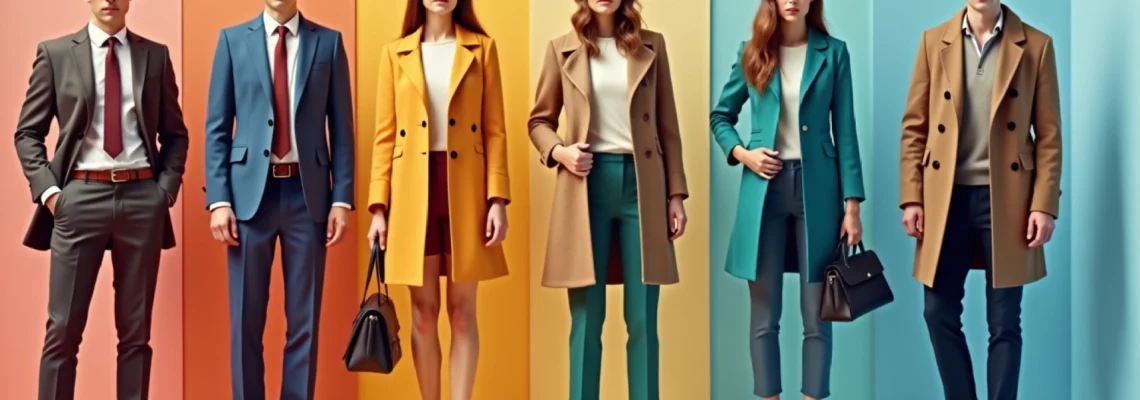
The relationship between clothing and psychological well-being runs deeper than surface-level aesthetics. When you dress well, you activate complex neurological processes that fundamentally alter how you perceive yourself and interact with the world. Scientific research demonstrates that strategic wardrobe choices can trigger measurable improvements in self-esteem, cognitive performance, and social confidence. This phenomenon extends beyond mere vanity – it represents a sophisticated interplay between external presentation and internal psychological states that affects everything from professional success to personal relationships.
Your clothing serves as both armour and amplifier for your personality, creating a feedback loop between how you look and how you feel. Modern psychology has identified numerous mechanisms through which well-chosen garments can enhance confidence, reduce stress, and improve overall mental well-being. Understanding these processes empowers you to harness the transformative power of strategic dressing for lasting psychological benefits.
Psychological mechanisms behind Clothing-Induced confidence enhancement
Enclothed cognition theory and symbolic Self-Completion
Enclothed cognition represents one of the most compelling discoveries in fashion psychology, demonstrating how clothing directly influences cognitive performance and self-perception. When you wear garments associated with competence or authority, your brain literally adopts the characteristics linked to those items. Research conducted at Northwestern University revealed that participants wearing lab coats performed significantly better on attention-related tasks than those in regular clothing, but only when they believed the coats belonged to doctors rather than painters.
This phenomenon occurs because your mind creates powerful associations between specific clothing items and the qualities they represent. A tailored suit doesn’t just make you look professional – it activates neural pathways associated with authority, competence, and leadership. Your brain processes these visual cues and responds by enhancing the psychological traits that match your external presentation.
Symbolic self-completion theory further explains how dressing well compensates for perceived deficiencies in your self-concept. When you feel uncertain about your abilities in a particular area, wearing clothing that symbolises expertise in that domain can restore psychological balance. This explains why investing in quality professional attire often correlates with improved job performance and career advancement.
Social identity theory applications in personal styling
Your clothing choices communicate group membership and social identity to both yourself and others. Social identity theory explains how individuals derive self-esteem from belonging to valued groups, and clothing serves as a visual marker of these affiliations. When you dress in alignment with a group you admire or aspire to join, you psychologically strengthen your connection to that identity.
This process works on multiple levels simultaneously. Externally, others perceive you as belonging to certain social categories based on your appearance, which influences their behaviour toward you. Internally, wearing clothing associated with successful or respected groups reinforces your own sense of belonging and worthiness. The result is a positive feedback loop where improved treatment from others reinforces your confidence in your chosen identity.
Strategic styling choices can help you embody different aspects of your personality depending on the situation. Professional attire activates your competent, authoritative self, while carefully chosen casual wear can express creativity and approachability. Understanding these dynamics allows you to curate wardrobes that support various facets of your identity.
Mirror neuron activation through fashion choices
Mirror neurons fire both when you perform an action and when you observe others performing the same action. In the context of fashion, these neurons activate when you see yourself dressed in ways that remind you of confident, successful people. Your brain essentially mirrors the confidence and competence it associates with those visual references, creating immediate psychological benefits.
This mechanism explains why wearing clothing similar to role models or admired figures can instantly boost your confidence. Your mirror neurons recognise the visual patterns associated with success and competence, triggering neural responses that enhance your own sense of capability. The effect is particularly pronounced when the clothing fits well and feels comfortable, as physical comfort reinforces the positive psychological associations.
Research in neuroplasticity suggests that repeated activation of these neural pathways through consistent good dressing can create lasting changes in self-perception and confidence levels. Over time, the enhanced confidence becomes more automatic and less dependent on external validation.
Dopamine release patterns in Well-Dressed individuals
Wearing clothing that makes you feel attractive and confident triggers dopamine release in your brain’s reward system. This neurochemical response creates feelings of pleasure and motivation that extend beyond the immediate satisfaction of looking good. Studies using neuroimaging technology have shown increased activity in reward centres when participants viewed themselves wearing preferred outfits compared to disliked clothing.
The dopamine response is particularly strong when clothing fits well and flatters your body type. Your brain interprets the improved appearance as a reward, reinforcing the behaviour of dressing well. This creates a positive addiction to good grooming and strategic wardrobe choices that supports long-term confidence building.
Quality fabrics and superior construction amplify these neurochemical benefits by providing additional sensory rewards. The feel of luxury materials against your skin triggers additional positive associations that your brain links to success and self-worth. This explains why investing in better-quality clothing often produces disproportionate improvements in confidence and mood.
Physiological impact of strategic wardrobe selection on body language
Postural alignment changes in tailored vs Ill-Fitting garments
Your posture responds immediately and dramatically to clothing fit and construction. Well-tailored garments naturally encourage proper spinal alignment by providing appropriate support and allowing natural movement patterns. Structured blazers, for example, pull your shoulders back and encourage an upright chest position, while properly fitted trousers allow for confident stride length and hip alignment.
Conversely, ill-fitting clothing forces your body into compensatory positions that project insecurity and discomfort. Tight clothing restricts movement and creates tension, while oversized garments can make you appear to shrink within the fabric. These physical constraints translate directly into psychological limitations, as your brain associates the physical discomfort with overall inadequacy.
Research in embodied cognition demonstrates that postural changes induced by clothing create corresponding shifts in mental state. When tailored clothing encourages you to stand taller and move more purposefully, your brain interprets these signals as indicators of confidence and competence, creating a feedback loop that reinforces positive self-perception.
Power posing enhancement through structured clothing architecture
Structured garments amplify the psychological benefits of power posing by making confident postures feel more natural and sustainable. The architectural elements of well-designed clothing – shoulder padding, proper jacket construction, strategic seaming – work with your body’s biomechanics to maintain authoritative positioning throughout the day.
Power posing research has shown that spending just two minutes in expansive, confident postures increases testosterone levels while decreasing cortisol. Clothing that facilitates these postures extends the benefits throughout your day without conscious effort. A well-constructed jacket, for instance, maintains shoulder width and chest expansion even during sedentary activities.
The physical structure of quality clothing essentially automates confident body language, allowing you to maintain powerful presence without constant conscious adjustment.
This automation is particularly valuable in high-stakes situations where mental resources are better devoted to performance rather than posture management. When your clothing maintains your confident physical presence automatically, you can focus entirely on the task at hand while still projecting authority and competence.
Cortisol reduction mechanisms in Comfort-Fit luxury fabrics
High-quality fabrics contribute to stress reduction through multiple sensory pathways. Natural fibres like silk, wool, and high-grade cotton regulate temperature more effectively than synthetic alternatives, reducing the physiological stress of thermal discomfort. The superior breathability and moisture management of luxury fabrics help maintain optimal skin conditions that support lower cortisol levels throughout the day.
Tactile comfort from premium materials provides continuous positive sensory input that counters stress responses. Your nervous system constantly processes the feeling of clothing against your skin, and comfortable, well-made garments contribute to overall nervous system calm. This effect is particularly pronounced during high-pressure situations where physical comfort becomes a foundation for mental composure.
Investment in quality fabrics pays dividends in stress management and confidence maintenance over extended periods. While synthetic or poorly constructed clothing can create micro-stresses through temperature regulation issues, fit problems, or tactile discomfort, premium materials eliminate these sources of physiological tension.
Micro-expression confidence markers in professional attire
Professional attire influences facial expressions and micro-expressions in ways that communicate confidence to others and reinforce your own sense of competence. When you feel appropriately dressed for a situation, your facial muscles naturally relax into more open, approachable configurations. Eye contact becomes steadier, and subtle expressions of authority – raised eyebrows, firm jaw lines, genuine smiles – appear more frequently.
Research in facial feedback theory suggests that these expression changes create corresponding emotional states. When professional clothing encourages confident facial expressions, your brain interprets these muscular patterns as indicators of your emotional state, reinforcing feelings of competence and authority. The effect is subtle but measurable in both brain imaging studies and behavioural assessments.
The psychological safety provided by appropriate professional attire also reduces defensive micro-expressions that can undermine perceived confidence. When you feel properly dressed for your role, you’re less likely to exhibit subtle signs of anxiety or insecurity that others might unconsciously detect.
Colour psychology applications in Confidence-Building wardrobes
Chromotherapy principles in daily outfit selection
Colour psychology extends far beyond simple aesthetic preferences, influencing both your internal emotional state and others’ perceptions of your personality and capabilities. Red stimulates energy and passion while projecting authority, making it an excellent choice for situations requiring assertiveness or leadership. Blue promotes calm confidence and trustworthiness, explaining its popularity in business contexts where reliability and competence matter most.
The psychological impact of colours operates through both cultural associations and biological responses. Warm colours like red and orange increase arousal and energy levels, while cool colours like blue and green promote calm focus. Understanding these effects allows you to select colours that support your psychological needs for specific situations or desired emotional states.
Strategic colour selection can compensate for natural personality tendencies or situational requirements. If you tend toward anxiety in social situations, incorporating calming blues or greens into your outfit can help regulate your nervous system. Conversely, if you need to project more energy and enthusiasm, warm colours can provide psychological activation that enhances your natural charisma.
Power colours impact on executive presence and authority
Certain colours consistently communicate authority and executive presence across cultures and contexts. Navy blue ranks as the most universally respected colour for business attire, combining the calming effects of blue with the authority traditionally associated with darker tones. Charcoal grey provides similar authority while appearing slightly more approachable than black, making it ideal for leadership roles that require both respect and accessibility.
Black remains the ultimate power colour, communicating sophistication, authority, and seriousness. However, it can appear intimidating in collaborative settings, making it most appropriate for situations where clear hierarchy and authority are beneficial. The key is matching colour choices to both your personality and the specific demands of your professional environment.
Research in colour psychology shows that people wearing power colours receive different treatment from others, including more attentive listening, greater perceived expertise, and increased respect for their opinions. These external responses reinforce your own sense of authority, creating positive feedback loops that enhance confidence over time.
Seasonal colour analysis for optimal Self-Perception
Seasonal colour analysis identifies colours that harmonise with your natural colouring – skin tone, eye colour, and hair colour – to create the most flattering and confidence-inspiring palette. When you wear colours that complement your natural features, you appear more vibrant, healthy, and attractive, which translates directly into improved self-perception and confidence.
The science behind seasonal colour analysis relates to how different hues interact with the undertones in your skin. Colours that share similar undertones create harmony that makes you appear more radiant, while clashing undertones can make you look tired or washed out. This visual feedback significantly impacts how you feel about your appearance throughout the day.
Wearing your optimal colours creates an immediate confidence boost by enhancing your natural attractiveness without any additional effort or expense.
Professional colour analysis can identify your specific seasonal category – Spring, Summer, Autumn, or Winter – and provide a personalised palette that maximises your appearance benefits from colour choices. While this represents an investment in consultation, the long-term confidence benefits often justify the cost through improved self-perception and enhanced professional presence.
Cultural dress codes and their confidence implications across demographics
Cultural dress codes serve as complex communication systems that convey respect, understanding, and group membership. When you dress appropriately for cultural contexts, you demonstrate social intelligence that enhances others’ perception of your competence and respectability. This external validation reinforces your own confidence by confirming your ability to navigate social complexities successfully.
Different cultures assign varying significance to specific clothing elements – colours, patterns, levels of formality, and coverage requirements. Understanding and respecting these nuances shows cultural competency that opens doors and builds trust in diverse environments. Your confidence increases when you know you’re presenting appropriately for any cultural context you encounter.
Generational differences in dress codes create additional layers of complexity that savvy dressers navigate strategically. While younger generations may favour more casual or trend-driven approaches, traditional industries often maintain conservative standards. Adapting your style to match the expectations of your audience demonstrates flexibility and emotional intelligence that supports professional success.
Gender-specific cultural expectations add another dimension to strategic dressing. While these norms continue evolving, understanding the current expectations in your specific environment helps you make informed choices about how to present yourself for maximum confidence and effectiveness. The goal is not conformity for its own sake, but rather strategic presentation that supports your personal and professional objectives.
Investment dressing psychology: quality garments vs fast fashion confidence levels
Investment dressing psychology reveals significant differences in confidence levels between those who prioritise quality garments versus fast fashion alternatives. High-quality clothing provides superior fit, construction, and durability that translate into enhanced self-perception and sustained confidence over time. When you know your clothing will maintain its appearance and performance throughout the day, you can focus on your objectives rather than worrying about wardrobe malfunctions or appearance deterioration.
The psychological concept of “price-quality inference” suggests that expensive items create expectations of superior performance that often become self-fulfilling prophecies. When you invest in quality clothing, you unconsciously expect to look and feel better, and this expectation influences your behaviour and self-perception in ways that support improved confidence and performance outcomes.
Quality garments also provide superior sensory experiences through better fabrics, construction techniques, and attention to detail. These tactile and visual improvements create continuous positive reinforcement throughout wear, supporting sustained confidence levels. Fast fashion alternatives may look acceptable initially but often fail to provide the comfort and durability necessary for lasting confidence benefits.
The cost-per-wear calculation for investment pieces often favours quality over quantity approaches to wardrobe building. A well-made suit that lasts ten years and consistently enhances confidence provides better value than multiple cheaper alternatives that require frequent replacement and never achieve the same psychological benefits. This economic reality supports the psychological benefits of investment dressing strategies.
Long-term wardrobe planning around quality pieces also reduces decision fatigue and clothing-related stress. When you build a capsule wardrobe of versatile, high-quality items, daily dressing becomes simpler and more confidence-inspiring. You eliminate the anxiety of wondering whether your clothing will perform appropriately for important occasions.
Professional styling techniques for maximising psychological wardrobe benefits
Professional styling techniques focus on creating wardrobes that consistently deliver psychological benefits through strategic selection, organisation, and maintenance of clothing items. The foundation of effective styling lies in understanding your body type, lifestyle requirements, and personal style preferences to create a cohesive system that supports confidence in all situations.
Fit remains the most critical element in confidence-building wardrobes. Professional stylists emphasise proper tailoring as the key differentiator between mediocre and exceptional appearance results. Even moderately priced clothing can provide significant confidence benefits when properly altered to complement your specific body proportions and posture patterns.
Colour coordination systems eliminate daily decision stress while ensuring consistently flattering appearance results. Professional stylists often recommend building wardrobes around two or three complementary colour families that work with your natural colouring and professional requirements. This approach simplifies morning routines while guaranteeing appropriate colour choices.
Strategic wardrobe planning around versatile basics allows for creative expression through accessories while maintaining professional appropriateness and confidence-inspiring fit standards.
Accessory strategies provide opportunities for personality expression within professional constraints. Quality shoes, watches, bags, and other accessories can personalise conservative business attire while maintaining appropriate professional standards. These details often become conversation starters that enhance social confidence and networking effectiveness.
Grooming standards complement clothing choices to create comprehensive confidence-building systems. Professional stylists recommend establishing consistent routines for personal maintenance that support your wardrobe investments. Well-groomed hair, maintained nails, and appropriate fragrance selection enhance the overall impact of quality clothing choices.
Investment in professional fitting services maximises the psychological benefits of quality garments. A skilled tailor can transform moderately priced items into confidence-inspiring pieces through strategic alterations that address your specific body proportions. This personalisation creates garments that feel custom-made, enhancing the psychological benefits associated with bespoke clothing.
Seasonal wardrobe transitions require strategic planning to maintain consistent confidence levels throughout the year. Professional stylists recommend building core wardrobes around transitional pieces that work across multiple seasons, supplemented by weather-specific items that maintain professional standards and personal comfort in all conditions.
The psychology of wardrobe organisation itself impacts daily confidence levels. Well-organised closets reduce decision fatigue while ensuring that quality pieces remain in optimal condition. When you can easily access appropriate clothing for any situation, you eliminate the stress and uncertainty that can undermine confidence before important events or meetings.
Professional styling also addresses the psychological impact of clothing maintenance and care. Quality garments require appropriate care to maintain their confidence-inspiring properties over time. Understanding proper cleaning, storage, and maintenance techniques ensures that your investment pieces continue delivering psychological benefits throughout their extended lifespan.
The integration of personal style preferences within professional requirements represents perhaps the most sophisticated aspect of strategic wardrobe development. Professional stylists help clients identify ways to express individuality while maintaining appropriate standards for their specific work environments and social contexts.
Technology integration in wardrobe planning has revolutionised professional styling approaches. Digital closet applications, virtual styling consultations, and AI-powered outfit recommendations now support the psychological benefits of strategic dressing by reducing decision complexity while maintaining high standards for appearance and appropriateness.
Understanding these professional styling principles empowers you to create wardrobes that consistently deliver confidence benefits while supporting your personal and professional objectives. The investment in professional guidance often pays for itself through improved performance outcomes and enhanced social interactions that result from sustained confidence improvements.