Creating a personal olfactory identity has become increasingly sophisticated as fragrance enthusiasts discover the transformative power of scent layering. This ancient Middle Eastern practice, once reserved for perfumery masters, now offers anyone the opportunity to craft a signature scent that reflects their unique personality and style. Rather than relying on a single fragrance, layering allows you to combine multiple scents strategically, creating depth, complexity, and longevity that cannot be achieved with conventional application methods.
The art of fragrance layering transcends simple perfume application, requiring an understanding of molecular composition, skin chemistry, and olfactory architecture. Modern perfumers and scent enthusiasts have elevated this practice into a refined skill set that can dramatically enhance your personal fragrance wardrobe. Whether you’re seeking to extend the wear time of lighter compositions or develop an entirely unique scent profile, mastering layering techniques opens up infinite possibilities for olfactory expression .
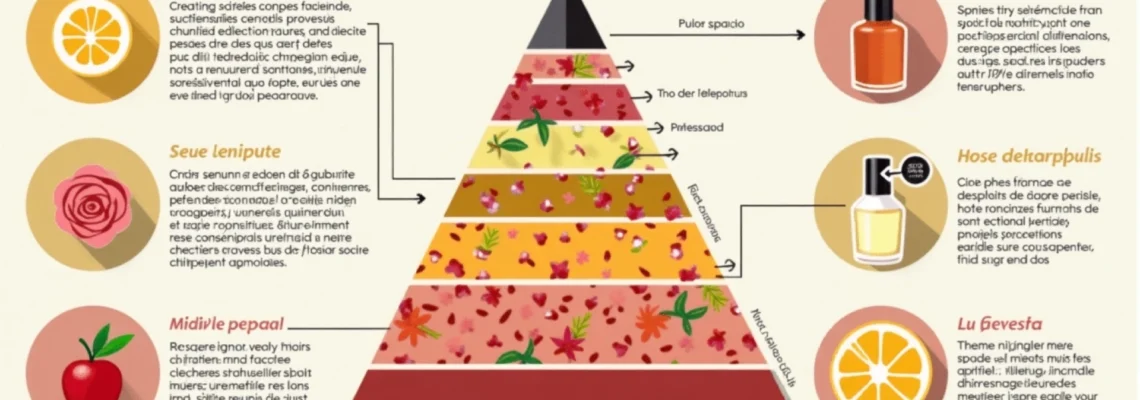
Fragrance pyramid architecture: understanding top, middle, and base note composition
Every sophisticated fragrance follows a carefully constructed pyramid structure that governs how scents develop and interact on your skin. Understanding this architectural foundation is essential for successful layering, as it determines which fragrances will complement each other and how they’ll evolve throughout the day. The pyramid consists of three distinct levels, each with specific volatility rates and molecular weights that affect projection and longevity.
Professional perfumers spend years learning to recognise the subtle interplay between different pyramid levels, as this knowledge forms the backbone of successful fragrance creation and layering techniques.
The strategic manipulation of these pyramid levels allows you to create custom scent profiles that evolve uniquely on your skin. When layering fragrances, you’re essentially combining multiple pyramids, requiring careful consideration of how each level will interact with corresponding levels in other compositions. This complexity explains why some combinations work harmoniously while others clash or become muddled.
Citrus and aldehydic top notes: bergamot, lemon, and pink pepper applications
Top notes serve as the opening statement of any fragrance composition, providing the initial burst of scent that captivates attention within the first 15 minutes of application. Citrus components like bergamot and lemon offer bright, sparkling qualities that can instantly lift heavier base compositions, whilst aldehydic elements add effervescent, almost metallic brilliance. Pink pepper introduces a subtle spicy warmth that bridges the gap between fresh citrus and deeper heart notes.
When layering with citrus-dominant top notes, consider their rapid evaporation rate and plan accordingly. These volatile compounds typically dissipate within 30 minutes, making them excellent for adding initial impact without overwhelming the composition’s development. Strategic placement of citrus layers on pulse points with higher blood circulation can extend their presence whilst allowing deeper notes to emerge gradually.
Heart note synergies: rose damascena, jasmine sambac, and woody accords
Heart notes represent the soul of any fragrance, emerging after top notes fade and forming the composition’s primary character for 2-4 hours. Rose Damascena brings classical elegance with its rich, multifaceted profile, whilst Jasmine Sambac offers intoxicating sensuality with green, animalic undertones. Woody accords in the heart provide structural support, bridging floral elements with deeper base notes through cedar, rosewood, or sandalwood derivatives.
The synergy between heart notes determines whether your layered composition will feel cohesive or disjointed. Rose and jasmine create romantic, feminine combinations, particularly when supported by subtle woody elements. However, clashing heart notes can create olfactory confusion, where individual components compete rather than harmonise. Testing heart note combinations on skin and allowing proper development time reveals true compatibility.
Base note anchoring: sandalwood, patchouli, and amber fixative properties
Base notes provide the foundation and longevity for any layered fragrance composition, lingering on skin for 6-8 hours or longer. Sandalwood offers creamy, milky warmth that pairs beautifully with both floral and citrus top layers. Patchouli contributes earthy, slightly medicinal depth that can ground sweeter compositions, whilst amber provides resinous warmth with honeyed undertones . These ingredients also function as natural fixatives, helping to extend the wear time of more volatile components.
The anchoring properties of base notes make them ideal starting points for layering experiments. Beginning with a base-heavy fragrance and adding lighter compositions on top creates stable, long-lasting results. Alternatively, reinforcing existing base notes with complementary base-focused fragrances can dramatically increase projection and longevity without altering the overall character significantly.
Volatility rates and evaporation timelines in Multi-Layer compositions
Understanding volatility rates is crucial for predicting how your layered composition will evolve throughout the day. Top notes typically evaporate within 15-30 minutes, heart notes develop and fade over 2-4 hours, whilst base notes can persist for 6-12 hours depending on concentration and skin chemistry. When multiple fragrances are layered, these timelines can shift significantly, with some notes being enhanced or suppressed by neighbouring components.
Multi-layer compositions create complex evaporation patterns that can produce surprising developments hours after application. A combination that smells citrus-forward initially might reveal hidden spicy or woody facets as top notes fade and underlying layers emerge. Monitoring these developments helps refine your layering technique and predict which combinations will provide satisfying wear throughout different parts of your day.
Olfactory blending techniques: molecular weight and scent projection methods
Advanced fragrance layering requires understanding molecular behaviour and how different compounds interact on skin. Lighter molecules with lower molecular weights project further but dissipate quickly, whilst heavier molecules stay closer to skin but provide superior longevity. Strategic blending of different molecular weights creates optimal projection patterns that can be customised for various occasions and personal preferences.
Professional perfumers manipulate molecular weight distribution to create fragrances with specific projection profiles. By understanding these principles, you can enhance projection through strategic layering placement and timing. This technical approach elevates fragrance layering from random experimentation to purposeful scent architecture.
Pulse point application: wrist, neck, and Behind-Ear strategic placement
Pulse points generate higher temperatures that accelerate fragrance development and projection, making strategic placement crucial for layered compositions. The wrists offer easily accessible application points with moderate warmth, perfect for testing combinations throughout the day. The neck provides maximum projection due to its proximity to the nose and consistent blood flow, making it ideal for your dominant fragrance layer.
Behind-ear application creates intimate scent clouds that you’ll notice with head movements, perfect for subtle secondary layers that enhance rather than compete with primary fragrances. Different pulse points can be dedicated to different layers, allowing each component space to develop without immediate interference. This zoned approach prevents muddy combinations whilst maintaining overall harmony.
Spray sequencing: wait times between different fragrance applications
Proper timing between fragrance applications significantly affects the final composition’s character and development. Applying subsequent layers too quickly can create chemical interactions that suppress certain notes or create unintended dominant elements. Professional layering protocols typically recommend 2-3 minute intervals between applications, allowing the first layer to begin its initial development phase.
Extended wait times of 10-15 minutes between applications can create more distinct layered effects, where each fragrance maintains more individual character whilst contributing to the overall composition. Shorter wait times promote greater integration between layers, creating more seamless blends but potentially sacrificing complexity. Experimenting with different timing intervals reveals which approach works best for specific fragrance combinations.
Concentration ratios: balancing eau de parfum with eau de toilette layers
Different fragrance concentrations require specific balancing approaches to prevent one layer from overwhelming others. Eau de Parfum contains 15-20% aromatic compounds, whilst Eau de Toilette typically contains 5-15%, creating significantly different projection and longevity characteristics. Concentration ratios must be carefully managed to achieve balanced layered compositions.
Using Eau de Toilette as base layers with Eau de Parfum accents often produces better results than the reverse approach. The lighter concentration provides subtle foundation notes without overpowering, whilst the concentrated layer adds impact and longevity. However, some combinations work better with reversed ratios, particularly when the Eau de Parfum contains heavy, potentially overwhelming base notes that benefit from lighter top layers.
Skin chemistry interaction: ph levels and natural oil compatibility
Individual skin chemistry dramatically affects how layered fragrances develop and interact, with pH levels and natural oil production playing crucial roles. Acidic skin (pH below 7) tends to enhance citrus and fresh notes whilst potentially suppressing sweeter elements. Alkaline skin (pH above 7) often amplifies sweet and floral notes whilst diminishing fresh, green components. Understanding your skin’s natural chemistry helps predict which combinations will work best on you personally.
Natural skin oils affect fragrance absorption and projection patterns, with drier skin typically requiring more frequent reapplication but offering cleaner scent development. Oily skin can extend fragrance longevity but may alter certain notes, particularly delicate florals or fresh elements. Testing layered combinations on different areas of skin reveals how local chemistry variations affect the overall composition, allowing for more strategic application methods.
Signature scent development: creating unique olfactory profiles through strategic combinations
Developing a truly personal signature scent through layering requires systematic experimentation and careful observation of how different combinations interact with your individual skin chemistry. This process transcends random mixing, demanding a methodical approach that considers seasonal variations, occasion appropriateness, and long-term wearability. Signature scent development is an iterative process that evolves with your changing preferences and lifestyle requirements.
The most successful signature scents emerge from understanding your personal olfactory preferences whilst remaining open to unexpected combinations that challenge preconceived notions about fragrance compatibility.
Building a signature layering system often involves identifying 3-5 core fragrances that serve as foundational elements, then expanding with complementary accent pieces that can modify mood and intensity. This approach provides consistency whilst allowing flexibility for different occasions and seasons. Document successful combinations with specific application methods and timing to reproduce favourite blends reliably.
Complementary fragrance families: Floral-Oriental and Woody-Fresh pairings
Certain fragrance families naturally complement each other, creating harmonious layers that enhance rather than compete. Floral-Oriental combinations merge the romantic appeal of flowers with the sensual warmth of spices and resins, producing sophisticated evening-appropriate scents. Classic pairings include rose with amber, jasmine with vanilla, or peony with sandalwood, each offering different emotional resonances and projection patterns.
Woody-Fresh pairings provide versatile day-to-night transitions, balancing the grounding effect of cedar or vetiver with the energising qualities of citrus or aquatic notes. These combinations work particularly well in professional environments where subtlety and sophistication are paramount. The woody elements provide lasting power whilst fresh components ensure the composition never becomes overwhelming or cloying during extended wear.
Seasonal layering adaptations: summer citrus with winter spice integration
Seasonal fragrance layering requires understanding how temperature and humidity affect scent development and projection. Summer combinations typically emphasise lighter, more volatile components that won’t become overwhelming in heat, whilst winter layering can accommodate richer, more complex combinations that benefit from the body heat generated by heavier clothing. Seasonal adaptation involves both fragrance selection and application intensity modifications.
Transitional layering techniques allow single fragrance collections to adapt across seasons through strategic accent additions. A core citrus fragrance can be warmed with spicy or woody layers for autumn wear, whilst winter’s heavy orientals can be freshened with citrus or green additions for spring appropriateness. This approach maximises fragrance wardrobe versatility whilst maintaining signature scent recognition throughout the year.
Personal scent DNA: identifying individual olfactory preferences and skin reactions
Everyone possesses unique olfactory preferences and skin chemistry patterns that affect fragrance performance and appeal. Personal scent DNA encompasses both conscious preferences and subconscious reactions that influence which combinations feel authentic and appealing. Identifying these patterns requires honest self-assessment and systematic testing across different fragrance families and concentration levels.
Skin reaction patterns reveal which ingredients perform best on your individual chemistry, whilst preference mapping identifies emotional responses to different scent profiles. Some individuals naturally gravitate towards fresh, clean combinations, whilst others prefer rich, complex layers. Understanding these tendencies guides more efficient experimentation whilst preventing investment in combinations that will never feel personally authentic or appealing.
Professional layering protocols: industry standards and expert methodologies
Professional perfumers and fragrance consultants follow established protocols when creating layered compositions, ensuring consistent results and avoiding common pitfalls that can ruin otherwise promising combinations. These methodologies, developed through decades of industry experience, provide frameworks for systematic experimentation whilst minimising waste and disappointment. Industry standards emphasise patience, documentation, and gradual complexity building rather than ambitious multi-fragrance experiments that often produce muddled results.
Professional protocols typically begin with single-fragrance analysis, identifying individual components and projection patterns before attempting combinations. This foundational knowledge prevents incompatible pairings and provides predictive capabilities for how different elements will interact. Expert methodologies also emphasise testing combinations across multiple wearing sessions to understand how they perform in different environmental conditions and throughout extended wear periods.
Fragrance longevity optimisation: enhancing sillage and projection through strategic application
Maximising fragrance longevity through layering requires understanding both chemical interactions and application techniques that enhance natural skin retention. Sillage optimisation involves creating scent trails that project appropriately without overwhelming, whilst projection enhancement ensures your layered composition reaches its intended audience without requiring excessive application amounts. Strategic layering can extend wear time from 4-6 hours to 8-12 hours when executed properly.
Advanced longevity techniques include using unscented moisturiser as a base layer to improve fragrance absorption, applying layers to clothing and hair for extended projection, and utilising fragrance primers that enhance skin retention. These methods work synergistically with proper layering techniques to create all-day scent experiences that evolve naturally without requiring frequent reapplication. Understanding which techniques work best with your individual skin chemistry and lifestyle requirements allows for customised longevity solutions that enhance rather than compromise your signature scent development.