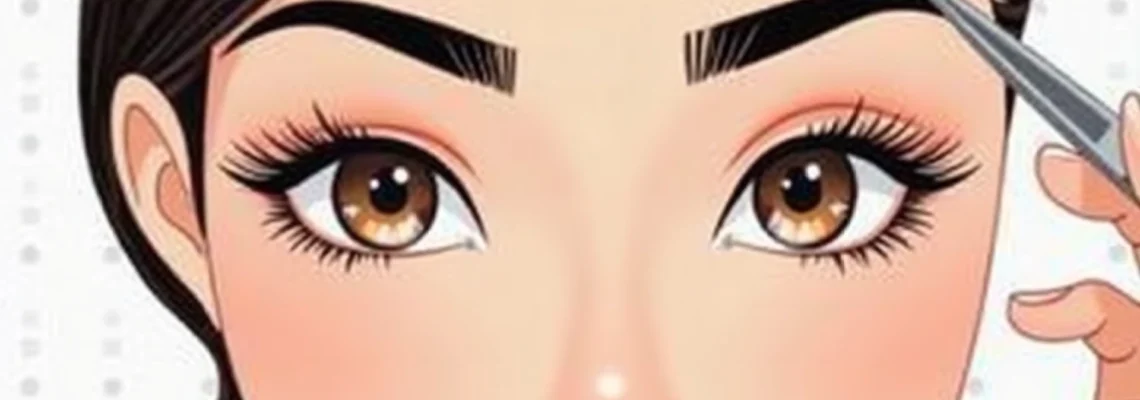
Perfect eyebrows have the power to transform your entire appearance, creating balance, defining your features, and enhancing your natural beauty. The art of eyebrow shaping goes far beyond simple hair removal – it’s a sophisticated blend of facial anatomy understanding, precise technique application, and aesthetic vision. Whether you’re seeking to correct asymmetry, enhance sparse areas, or simply maintain your natural arch, mastering the fundamentals of eyebrow shaping will ensure you achieve results that complement your unique facial structure.
Professional eyebrow artists understand that one size never fits all when it comes to brow design. Your bone structure, eye shape, and personal style preferences all play crucial roles in determining the most flattering approach for your individual needs. From traditional threading techniques passed down through generations to modern semi-permanent solutions like microblading, today’s eyebrow shaping landscape offers numerous options to achieve your desired aesthetic goals.
Face shape analysis and eyebrow mapping fundamentals
The foundation of exceptional eyebrow shaping lies in accurate facial analysis and precise mapping techniques. Professional brow artists begin every service by carefully examining your facial proportions, bone structure, and natural hair growth patterns. This comprehensive assessment ensures that the final result enhances rather than fights against your inherent features, creating a harmonious balance that appears effortlessly natural.
Modern eyebrow mapping combines traditional measurement techniques with contemporary aesthetic principles to determine optimal brow placement. The process involves identifying key reference points on your face and using these coordinates to establish where your eyebrows should begin, peak, and end. This methodical approach eliminates guesswork and prevents the common mistakes that can result from freehand shaping attempts.
Golden ratio measurements for eyebrow proportions
The golden ratio, a mathematical principle found throughout nature and classical art, provides an excellent framework for creating aesthetically pleasing eyebrow proportions. This ratio of approximately 1.618:1 appears in many aspects of facial beauty, including the ideal relationship between different sections of your eyebrows. Professional artists apply these mathematical principles to determine the perfect length, width, and arch height for your specific facial dimensions.
When applying golden ratio principles to eyebrow design, the tail section should be approximately 60% the length of the head section, whilst the arch should sit at roughly 65% of the total brow length from the starting point. These proportions create visual harmony that the human eye naturally finds appealing, explaining why properly proportioned eyebrows have such a dramatic impact on overall facial attractiveness.
Bone structure assessment using the Three-Point method
The three-point method represents the cornerstone of professional eyebrow mapping, utilising your facial bone structure as a natural guide for optimal brow placement. This technique involves identifying three critical points: the brow start, the arch peak, and the tail end. Each point aligns with specific facial landmarks, ensuring that your finished eyebrows work in harmony with your natural bone structure rather than competing against it.
Skilled practitioners use specialised mapping tools or makeup brushes held at precise angles to identify these reference points accurately. The process requires careful attention to detail, as even small deviations from optimal placement can significantly impact the final result. This methodical approach explains why professional eyebrow services consistently deliver superior results compared to amateur attempts at home shaping.
Identifying oval, round, square, heart, and diamond face classifications
Accurate face shape identification forms the basis for selecting the most flattering eyebrow style for your features. Each face shape benefits from specific brow characteristics that enhance natural beauty whilst minimising any perceived imperfections. Oval faces are considered the ideal shape and can accommodate most eyebrow styles, whilst other shapes require more strategic planning to achieve optimal results.
Round faces benefit from high, angular arches that create the illusion of length and definition. Square faces are softened by gently curved brows that counterbalance strong jawlines. Heart-shaped faces require fuller brows with soft arches to balance wider foreheads, whilst diamond faces are enhanced by curved brows that complement wider cheekbones. Understanding these principles allows you to select techniques that work with rather than against your natural features.
Arch height calculations based on pupil alignment
The position of your eyebrow arch significantly impacts your overall expression and eye appearance. Professional mapping techniques use pupil alignment to determine the optimal arch placement, creating a lifting effect that opens and defines the eye area. This calculation involves drawing an imaginary vertical line from the outer edge of your iris upward to establish where the highest point of your arch should sit.
Proper arch placement can correct perceived eye spacing issues and create the illusion of larger, more defined eyes. Arches positioned too far inward can make eyes appear closer together, whilst those placed too far outward can create a droopy, tired appearance. The precision required for optimal arch positioning demonstrates why professional eyebrow services deliver consistently superior results compared to DIY attempts.
Brow tail length determination using the Nostril-to-Outer-Corner rule
The length of your eyebrow tail plays a crucial role in creating facial balance and enhancing eye shape. Professional mapping utilises the nostril-to-outer-corner rule to determine where your eyebrows should naturally end. This technique involves drawing an imaginary line from the side of your nostril through the outer corner of your eye to establish the optimal endpoint for your brow tail.
Properly positioned brow tails create a subtle lifting effect that enhances eye shape and provides facial balance. Tails that extend too far can overwhelm smaller features, whilst those that end too short can make eyes appear droopy or incomplete. The precision required for optimal tail placement highlights the value of professional mapping techniques in achieving consistently beautiful results.
Professional threading techniques and precision methods
Threading represents one of the most precise and gentle methods for eyebrow shaping, offering exceptional accuracy and minimal skin irritation. This ancient technique originated in the Middle East and South Asia over 6,000 years ago, yet remains one of the most effective methods for achieving clean, defined brow lines. The process involves using twisted cotton thread to trap and remove unwanted hairs with remarkable precision, allowing practitioners to target individual hairs or create perfectly straight lines.
The advantages of professional threading extend beyond mere hair removal. This technique allows for incredibly precise shaping, making it ideal for creating sharp, defined edges and maintaining existing eyebrow architecture. Unlike tweezing, which can accidentally grab multiple hairs, threading provides complete control over which hairs are removed, making it particularly valuable for corrective work or maintaining asymmetrical natural growth patterns that complement your facial structure.
Traditional Hand-Knotting threading patterns
Mastery of traditional hand-knotting patterns forms the foundation of professional threading expertise. These time-tested techniques involve creating specific knot configurations that optimise hair removal efficiency whilst minimising discomfort. Different knotting patterns serve various purposes, from removing fine peach fuzz to tackling coarse, stubborn hairs that resist other removal methods.
Professional threading practitioners spend years perfecting their hand coordination and knotting techniques. The traditional approach involves using both hands to manipulate the thread, creating a rolling motion that traps hairs between twisted sections. This method requires exceptional manual dexterity and timing, explaining why professional threading services consistently deliver superior results compared to at-home attempts using threading tools.
Twisted cotton thread selection and preparation
The quality and preparation of cotton thread significantly impact threading effectiveness and client comfort. Professional practitioners select high-quality, tightly woven cotton thread that provides optimal grip without causing excessive skin friction. The thread must be properly twisted to create the necessary tension for effective hair removal whilst maintaining sufficient flexibility to navigate facial contours smoothly.
Thread preparation involves creating the optimal length and tension for different eyebrow areas. Longer thread lengths allow for covering larger areas quickly, whilst shorter sections provide enhanced control for detailed work around the arch and tail areas. Professional threading artists also consider thread thickness, with finer threads preferred for delicate areas and thicker options used for removing coarser hairs efficiently.
Directional hair removal against growth patterns
Understanding natural hair growth patterns and working against them strategically ensures thorough hair removal and prevents ingrown hairs. Professional threading practitioners carefully observe individual hair growth directions before beginning work, adjusting their technique accordingly to achieve optimal results. This attention to detail explains why professional threading services provide longer-lasting results compared to amateur attempts.
Working against the grain requires careful technique modification to prevent skin irritation whilst ensuring complete hair removal. Different areas of the eyebrow often exhibit varying growth patterns, requiring practitioners to adjust their approach throughout the service. This individualised technique adaptation demonstrates the complexity involved in achieving professional-quality threading results.
Pain minimisation through skin tension control
Professional threading practitioners employ sophisticated skin tension control techniques to minimise discomfort whilst maximising hair removal efficiency. Proper skin stretching creates an optimal surface for thread work, reducing the likelihood of skin pinching or hair breakage during the removal process. These techniques require understanding of facial anatomy and considerable practice to execute effectively.
Tension control also plays a crucial role in preventing premature skin aging and maintaining skin health during threading services. Excessive tension can cause temporary redness or long-term skin stretching, whilst insufficient tension results in incomplete hair removal and increased discomfort. Professional practitioners balance these factors expertly, ensuring client comfort whilst achieving exceptional results.
Precision tweezing with Professional-Grade instruments
High-quality tweezing represents the gold standard for eyebrow maintenance and detailed shaping work. Professional-grade tweezers offer superior grip, precision, and durability compared to standard beauty store options, enabling practitioners to remove individual hairs with surgical accuracy. The investment in premium instruments pays dividends in terms of service quality, client satisfaction, and long-term business success for professional eyebrow artists.
Professional tweezing techniques extend far beyond simple hair plucking, encompassing strategic planning, precise execution, and careful aftercare. Experienced practitioners understand how to work with natural growth patterns, identify which hairs to remove for optimal shaping, and execute removal techniques that minimise discomfort whilst preventing ingrown hairs. This expertise explains why professional tweezing services consistently deliver superior results compared to at-home attempts.
The psychology of precision tweezing cannot be understated – each hair removal decision impacts the overall eyebrow shape and facial harmony. Professional practitioners consider factors such as hair thickness, growth direction, surrounding hair density, and long-term regrowth patterns when determining which hairs to remove. This comprehensive approach ensures that immediate results enhance rather than compromise future eyebrow development and maintenance requirements.
Modern tweezing techniques also incorporate advanced lighting and magnification systems to ensure no unwanted hairs escape notice. Professional setups utilise LED ring lights and high-quality magnifying lamps to reveal even the finest hairs that might be missed under standard lighting conditions. This attention to detail separates professional services from amateur attempts and ensures consistently thorough results that maintain their appearance longer between appointments.
Waxing application methods for defined brow architecture
Professional eyebrow waxing offers unparalleled efficiency for removing large amounts of unwanted hair whilst creating clean, defined lines that frame the face beautifully. Modern waxing techniques have evolved significantly from early methods, incorporating temperature-controlled systems, specialised wax formulations, and precision application tools that minimise discomfort whilst maximising results. The speed and effectiveness of professional waxing make it an excellent choice for clients with coarse hair or those seeking dramatic reshaping results.
The artistry involved in professional eyebrow waxing extends beyond simple hair removal to encompass sophisticated shaping techniques that enhance facial architecture. Skilled practitioners understand how to use wax application patterns to create specific effects, from soft, natural-looking edges to sharp, geometric lines that make bold aesthetic statements. This versatility makes waxing an invaluable tool in the professional eyebrow artist’s repertoire.
Hard wax temperature control and consistency testing
Temperature control represents a critical factor in achieving optimal hard wax performance and client comfort. Professional-grade wax warmers maintain precise temperature ranges that ensure proper wax consistency without risking burns or ineffective hair removal. The ideal temperature allows wax to spread smoothly whilst maintaining sufficient grip to remove hairs completely from the root, including stubborn coarse hairs that resist other removal methods.
Consistency testing involves evaluating wax texture, adhesion properties, and cooling characteristics before each application. Professional practitioners develop sensitivity to optimal wax conditions through experience, recognising subtle changes in texture that indicate perfect application readiness. This expertise ensures consistent results and prevents the common problems associated with improperly heated wax, such as incomplete hair removal or excessive skin irritation.
Strip wax application using the spatula technique
The spatula technique for strip wax application requires considerable skill and practice to execute effectively. Professional practitioners use specially designed spatulas to apply thin, even wax layers that conform to eyebrow contours whilst providing optimal hair grip. The angle, pressure, and speed of spatula movement all impact the final result, requiring extensive training to master consistently.
Proper strip application follows immediately after wax application, with practitioners using smooth, confident movements to apply strips that follow natural eyebrow contours. The timing between wax application and strip placement affects removal effectiveness, with experienced artists developing intuitive feel for optimal timing based on ambient temperature, humidity, and individual client factors. This sophisticated technique adaptation explains why professional waxing services deliver consistently superior results.
Post-wax follicle care and ingrown hair prevention
Professional post-wax care protocols significantly impact both immediate comfort and long-term skin health. Proper follicle care begins immediately after hair removal, incorporating soothing treatments that reduce inflammation whilst preventing bacterial infection. Professional-grade aftercare products contain specific ingredients that calm irritated skin, minimise redness, and prepare follicles for healthy regrowth patterns.
Ingrown hair prevention requires understanding of hair growth cycles, skin types, and individual susceptibility factors. Professional practitioners provide detailed aftercare instructions tailored to each client’s specific needs, including exfoliation schedules, moisturising routines, and product recommendations. This comprehensive approach ensures that the benefits of professional waxing extend well beyond the immediate service, maintaining optimal eyebrow appearance throughout the regrowth cycle.
Microblading and powder brow Semi-Permanent solutions
Semi-permanent eyebrow techniques have revolutionised the beauty industry, offering long-lasting solutions for clients seeking low-maintenance, perfectly shaped brows. Microblading and powder brow techniques address different aesthetic goals and suit various lifestyle requirements, from creating natural hair-like strokes to achieving bold, defined looks that withstand active lifestyles. These advanced procedures require extensive training, artistic skill, and deep understanding of facial anatomy to execute safely and effectively.
The investment in semi-permanent eyebrow procedures extends beyond the initial service cost to encompass ongoing maintenance, touch-up requirements, and lifestyle considerations. Professional practitioners provide comprehensive consultations that explore client expectations, skin types, lifestyle factors, and aesthetic preferences to recommend the most suitable approach. This thorough assessment process ensures optimal results and client satisfaction whilst minimising the risk of complications or disappointing outcomes.
Colour selection for semi-permanent procedures requires sophisticated understanding of undertones, skin chemistry, and pigment behaviour over time. Professional practitioners consider factors such as natural hair colour, skin tone, lifestyle factors, and personal preferences when selecting appropriate pigments. The chosen colours must complement natural colouring whilst accounting for potential fading patterns and colour shifts that occur during the healing process.
Aftercare protocols for semi-permanent procedures are far more complex than those required for traditional hair removal methods. Clients must follow detailed instructions regarding cleansing, moisturising, sun exposure, and activity restrictions to ensure optimal healing and colour retention. Professional practitioners provide comprehensive aftercare kits and detailed guidance to support successful healing outcomes and maximise the longevity of semi-permanent results.
Corrective reshaping for Over-Plucked and asymmetrical brows
Corrective eyebrow work represents one of the most challenging aspects of professional brow artistry, requiring advanced technical skills, artistic vision, and considerable patience. Over-plucked eyebrows, asymmetrical growth patterns, and previous poor shaping attempts create complex problems that demand sophisticated solutions. Professional corrective work often involves multiple appointments spanning several months, as natural regrowth cycles limit how quickly dramatic improvements can be achieved.
The psychology of corrective work extends beyond technical considerations to encompass client education, expectation management, and emotional support. Many clients seeking corrective services experience frustration, self-consciousness, or disappointment with their current eyebrow appearance. Professional practitioners must balance honest assessment of realistic outcomes with encouragement and support throughout the corrective process, helping clients understand the time and commitment required for successful transformation.
Corrective eyebrow work requires viewing each client’s brows as a unique puzzle, where every hair placement decision impacts the overall harmony and balance of facial features.
Strategic regrowth planning forms the foundation of successful corrective work, involving careful assessment of current hair distribution, identification of
areas with regrowth potential, and development of realistic timelines for achieving desired improvements. This process requires understanding of hair growth cycles, follicle health assessment, and strategic planning to maximise the effectiveness of available regrowth whilst camouflaging problematic areas through careful shaping and strategic hair placement.
Professional corrective techniques often involve combining multiple approaches to achieve optimal results. Temporary solutions such as strategic makeup application and eyebrow pencils provide immediate improvement whilst natural regrowth occurs. Semi-permanent options like microblading can fill sparse areas and create the illusion of fuller brows during the regrowth process. Traditional shaping methods focus on working with available hair to create the most flattering shape possible given current limitations.
Advanced corrective practitioners develop specialised techniques for addressing specific problems commonly encountered in corrective work. Asymmetrical brows require careful measurement and strategic hair removal or growth encouragement to achieve better balance. Over-plucked areas benefit from growth stimulation treatments combined with temporary filling techniques. Poorly shaped arches may require complete regrowth in some areas whilst strategic trimming in others, demanding patience and precise execution over extended timeframes.
Client education plays a crucial role in successful corrective outcomes, as unrealistic expectations can lead to disappointment and continued poor maintenance habits. Professional practitioners explain the limitations imposed by previous damage, realistic timelines for improvement, and maintenance requirements for sustaining corrected results. This educational approach helps clients understand the investment required and develops realistic expectations that support long-term success and satisfaction with corrective treatments.
The emotional aspect of corrective work cannot be overlooked, as many clients experience significant distress about their eyebrow appearance. Professional practitioners often serve as counsellors, helping clients understand that eyebrow mistakes are correctable with time and proper technique. Building confidence throughout the corrective process requires celebrating small improvements and maintaining focus on long-term goals rather than expecting immediate dramatic changes that may not be realistic given individual circumstances.
Modern corrective techniques also incorporate advanced tools and technologies to maximise results within existing limitations. High-powered LED lighting reveals fine hairs that might be preserved and incorporated into corrective shaping plans. Magnification systems allow precise evaluation of follicle health and regrowth potential. Digital photography enables practitioners to track progress over time and make data-driven decisions about treatment modifications that optimise corrective outcomes.
Success in corrective eyebrow work requires balancing artistic vision with technical limitations, understanding that the best possible outcome may differ significantly from ideal eyebrow shapes. Professional practitioners focus on achieving the most flattering result possible within existing constraints rather than attempting to force unrealistic shapes that work against natural growth patterns. This pragmatic approach ensures client satisfaction whilst preventing further damage that could complicate future corrective efforts.
Long-term maintenance strategies form an integral part of corrective treatment plans, ensuring that achieved improvements are sustained and enhanced over time. Regular professional maintenance appointments allow practitioners to guide regrowth, make strategic adjustments, and prevent clients from reverting to problematic habits that created the original issues. This ongoing support system significantly improves the likelihood of successful corrective outcomes and long-term client satisfaction with their transformed eyebrows.