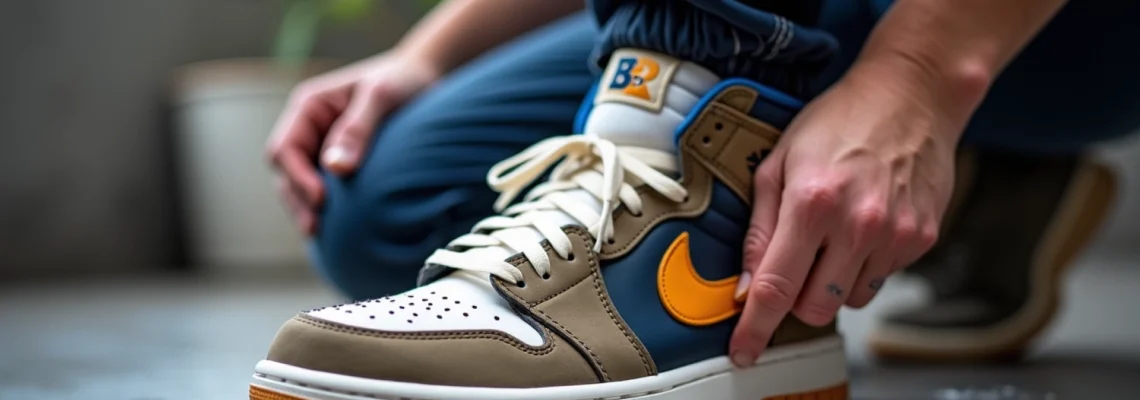
Sneakers have evolved from simple athletic footwear into cultural statements and valuable investments. Whether you own a pair of limited-edition Air Jordans, designer suede sneakers, or everyday canvas trainers, proper maintenance determines their longevity and aesthetic appeal. The difference between a well-maintained collection and deteriorating footwear often lies in understanding the specific care requirements of different materials and implementing consistent cleaning protocols.
Professional sneaker care extends far beyond occasional surface cleaning. It involves understanding material composition, recognising early signs of wear, and implementing preventive measures that preserve both functionality and appearance. With sneaker resale markets reaching unprecedented values and premium footwear representing significant financial investments, mastering proper maintenance techniques has become essential for enthusiasts and casual wearers alike.
Pre-cleaning assessment and sneaker material identification
Before implementing any cleaning protocol, conducting a thorough assessment of your sneakers’ construction and current condition establishes the foundation for effective maintenance. This preliminary evaluation prevents damage from inappropriate cleaning methods and ensures optimal results. Understanding your footwear’s specific material composition allows you to select appropriate cleaning agents and techniques that enhance rather than compromise the sneaker’s integrity.
The assessment process begins with identifying primary construction materials, examining current wear patterns, and documenting any existing damage or discolouration. This systematic approach enables you to develop a targeted maintenance strategy that addresses specific issues whilst preventing future deterioration. Professional sneaker restoration specialists consistently emphasise that proper identification prevents costly mistakes and ensures successful cleaning outcomes.
Leather sneaker construction analysis: Full-Grain vs synthetic leather
Distinguishing between full-grain leather and synthetic alternatives requires careful examination of texture, flexibility, and grain patterns. Full-grain leather exhibits natural imperfections and unique grain structures that synthetic materials cannot replicate. When you flex genuine leather, it displays organic creasing patterns and maintains its structural integrity, whilst synthetic alternatives often show uniform stress patterns and may crack under repeated flexing.
Premium leather sneakers, including those crafted from Horween Chromexcel or Shell Cordovan , demonstrate exceptional durability and develop attractive patina over time. These materials respond positively to conditioning treatments and can withstand more aggressive cleaning protocols. Synthetic leather, whilst more affordable, requires gentler handling and specific cleaning agents designed for artificial materials to prevent cracking or premature deterioration.
Canvas and textile upper material evaluation techniques
Canvas and textile uppers present unique maintenance challenges due to their porous nature and susceptibility to staining. Identifying the specific textile composition helps determine appropriate cleaning intensity and drying methods. Natural cotton canvas exhibits different characteristics compared to synthetic blends, with natural fibres typically showing better resilience to repeated cleaning cycles.
Modern athletic sneakers often incorporate technical textiles with moisture-wicking properties or antimicrobial treatments. These specialised materials require careful handling to preserve their functional characteristics. Breathable mesh panels and engineered knit uppers demand specific cleaning approaches that maintain structural integrity whilst removing embedded dirt and odours.
Suede and nubuck surface texture recognition methods
Suede and nubuck materials require the most delicate handling due to their raised fibre construction. Authentic suede displays consistent nap direction and responds to gentle brushing by changing colour slightly as fibres realign. Quality suede maintains uniform texture across the entire surface, whilst inferior grades may show uneven fibre density or premature matting.
Nubuck, created from full-grain leather that has been sanded to create a slight nap, offers greater durability than traditional suede whilst maintaining similar aesthetic appeal. The key difference lies in nubuck’s tighter fibre structure and enhanced resistance to wear. Both materials darken when wet and require specialised restoration techniques to maintain their distinctive appearance.
Mesh and knit upper ventilation system inspection
Modern athletic sneakers frequently incorporate complex ventilation systems using engineered mesh or knit constructions. These materials provide excellent breathability but trap dirt and debris within their intricate structures. Examining the mesh density and knit pattern helps determine the most effective cleaning approach without compromising the material’s functional properties.
Technical knit uppers, popularised by brands like Nike’s Flyknit technology, require specific care protocols to prevent stretching or distortion. The seamless construction and engineered support zones demand gentle handling and controlled moisture application during cleaning. Understanding these structural elements prevents damage and maintains the sneaker’s performance characteristics.
Rubber outsole compound and tread pattern assessment
Outsole evaluation reveals crucial information about the sneaker’s intended use and appropriate maintenance requirements. Harder rubber compounds, typically found on lifestyle sneakers, resist wear but may become brittle over time. Softer compounds used in performance athletic footwear provide superior grip but wear more rapidly and require more frequent cleaning to maintain traction.
Tread pattern complexity affects cleaning difficulty and debris retention. Deep, multi-directional patterns trap more dirt but offer enhanced grip, whilst shallow or minimalist patterns clean more easily but may compromise performance on varied surfaces. Identifying these characteristics helps establish realistic maintenance expectations and appropriate cleaning frequencies.
Deep cleaning protocols for different sneaker materials
Implementing comprehensive deep cleaning protocols requires understanding the interaction between different cleaning agents and sneaker materials. Professional-grade cleaning solutions offer superior results compared to household alternatives, but their effectiveness depends on proper application techniques and timing. The deep cleaning process addresses embedded dirt, stubborn stains, and accumulated odours that surface cleaning cannot eliminate.
Temperature control during cleaning plays a crucial role in achieving optimal results without causing damage. Hot water can cause leather to crack, synthetic materials to deform, and adhesives to weaken, whilst excessively cold temperatures may reduce cleaning agent effectiveness. Maintaining appropriate moisture levels prevents oversaturation whilst ensuring thorough cleaning penetration.
Jason markk premium shoe cleaner application for leather uppers
Jason Markk’s premium cleaning solution provides effective results on leather uppers through its pH-balanced formulation designed specifically for footwear applications. The cleaning process begins with removing loose dirt using a soft-bristled brush, followed by preparing the cleaning solution according to manufacturer specifications. This methodical approach prevents scratching and ensures even cleaning coverage.
Application technique significantly impacts cleaning effectiveness and material preservation. Using circular motions with appropriate pressure distributes the cleaning solution evenly whilst avoiding excessive friction that could damage leather grain. The premium formulation works effectively on both smooth and textured leather surfaces, making it versatile for various sneaker styles and constructions.
Crep protect cure solution treatment for canvas and textile materials
Canvas and textile materials respond exceptionally well to Crep Protect Cure solution due to its gentle yet effective formulation. The treatment process requires thorough saturation to penetrate textile fibres and dissolve embedded dirt particles. Unlike leather cleaning, textile cleaning benefits from slightly increased moisture levels to facilitate complete soil removal.
The dual-action cleaning approach combines mechanical agitation with chemical dissolution to achieve comprehensive results. Microfibre cloths prove particularly effective for this process, as their structure captures loosened dirt particles whilst avoiding redistribution across the sneaker surface. Multiple treatment cycles may be necessary for heavily soiled textile uppers.
Suede eraser and brass brush restoration techniques
Suede restoration demands specialised tools and techniques that preserve the material’s distinctive nap whilst removing stains and scuff marks. The suede eraser serves as the primary tool for addressing surface-level imperfections, working through gentle friction to lift embedded particles without damaging delicate fibres. Proper eraser technique involves light pressure and consistent directional movement.
Brass brush restoration requires exceptional care due to the aggressive nature of metal bristles. The brass brush effectively raises flattened nap and removes stubborn debris, but improper use can permanently damage suede texture. Professional restoration follows a systematic progression from gentle to more aggressive techniques, always testing inconspicuous areas first.
Midsole whitening with angelus easy cleaner and magic eraser methods
White midsole restoration represents one of the most challenging aspects of sneaker maintenance, as discolouration often appears permanent despite thorough cleaning attempts. Angelus Easy Cleaner specifically targets the yellowing compounds that develop in white rubber and foam materials over time. The cleaning process requires patience and multiple applications to achieve professional-level results.
Magic eraser techniques complement chemical cleaning by providing mechanical abrasion that removes surface-level staining without damaging underlying materials. The melamine foam structure effectively lifts discolouration whilst conforming to complex midsole geometries. Combining chemical and mechanical approaches produces superior results compared to using either method independently.
Professional stain removal and restoration techniques
Advanced stain removal requires understanding the chemical composition of different stains and selecting appropriate removal agents that target specific compounds without damaging sneaker materials. Oil-based stains demand different treatment protocols compared to water-based stains, and protein-based stains require enzymatic breakdown for complete removal. Professional restoration specialists often employ multi-stage treatment processes that address different stain components sequentially.
Timing plays a critical role in stain removal success, as fresh stains respond more readily to treatment than set-in discolouration. However, aged stains aren’t necessarily permanent if approached with appropriate techniques and patience. The key lies in identifying the stain type and selecting compatible removal agents that won’t cause additional damage or discolouration to surrounding areas.
Heat application can accelerate certain chemical reactions during stain removal, but temperature control remains essential to prevent material damage. Some stains require cold treatment to prevent setting, whilst others benefit from gentle warming to enhance cleaning agent effectiveness. Understanding these principles enables you to adapt treatment protocols based on specific circumstances and material requirements.
Professional-grade stain removal often involves multiple treatment cycles with different agents, allowing sufficient dwell time between applications. This systematic approach gradually breaks down complex stains whilst monitoring material response to prevent overtreatment. Patience and persistence typically yield better results than aggressive initial treatment attempts.
Professional sneaker restoration can revive seemingly damaged footwear to near-original condition when proper techniques and quality products are employed consistently.
Protective coating and waterproofing applications
Preventive protection through appropriate coating and waterproofing applications extends sneaker lifespan significantly whilst reducing maintenance requirements. Modern protective treatments create invisible barriers that repel water, oil, and dirt without altering the sneaker’s appearance or breathability. These advanced formulations penetrate material surfaces to provide long-lasting protection that withstands regular wear and cleaning cycles.
Application timing proves crucial for protective treatment effectiveness, as clean, dry surfaces ensure optimal penetration and bonding. Attempting to apply protective coatings over dirty or damp materials compromises treatment durability and may trap contaminants beneath the protective layer. Professional application protocols emphasise surface preparation as the foundation for successful protection.
Scotchgard heavy duty water shield spray application process
Scotchgard Heavy Duty Water Shield provides comprehensive protection for most sneaker materials through its advanced fluoropolymer technology. The application process requires even coverage across all surfaces, maintaining consistent spray distance to prevent oversaturation or missed areas. Proper ventilation during application ensures user safety whilst optimising treatment effectiveness.
Curing time varies based on environmental conditions, but complete protection development typically requires 24 hours under controlled conditions. During this period, avoiding moisture exposure ensures optimal barrier formation and maximum protection durability. Multiple light applications often provide superior coverage compared to single heavy treatments.
Crep protect spray coverage techniques for maximum protection
Crep Protect Spray’s nanotechnology formulation creates molecular-level barriers that maintain material breathability whilst providing exceptional liquid repulsion. The application technique focuses on systematic coverage patterns that ensure complete protection without product waste. Professional application involves overlapping spray patterns that guarantee uniform coverage across complex sneaker geometries.
Environmental factors significantly impact application success, with temperature and humidity levels affecting spray pattern consistency and curing characteristics. Optimal application conditions feature moderate temperatures and low humidity levels that facilitate even distribution and rapid curing. These conditions maximise protection effectiveness whilst minimising application time requirements.
Leather conditioning with chamberlain’s leather milk treatment
Premium leather sneakers benefit significantly from regular conditioning treatments that maintain material flexibility and prevent cracking. Chamberlain’s Leather Milk provides natural conditioning through carefully selected ingredients that penetrate leather fibres without leaving residue or altering surface texture. The treatment process requires thin, even application followed by thorough absorption periods.
Conditioning frequency depends on usage patterns and environmental exposure, with regular wear requiring more frequent treatment than occasional use. Over-conditioning can soften leather excessively and compromise structural integrity, whilst under-conditioning leads to cracking and premature deterioration. Monitoring leather condition helps establish optimal treatment intervals for individual sneaker collections.
UV protection coating for coloured synthetic materials
Ultraviolet radiation causes significant colour degradation in synthetic materials, particularly in vibrant or dark colours that absorb more radiation. UV protection coatings filter harmful radiation whilst maintaining colour vibrancy and material integrity. These specialised treatments prove particularly valuable for limited-edition or collectible sneakers where colour preservation directly impacts value retention.
Application techniques for UV protection coatings emphasise complete coverage of exposed surfaces, as unprotected areas remain vulnerable to radiation damage. The invisible nature of most UV coatings requires systematic application patterns to ensure comprehensive coverage. Regular reapplication maintains protection effectiveness as coatings gradually degrade through normal wear and cleaning cycles.
Long-term storage and maintenance strategies
Implementing comprehensive long-term storage strategies preserves sneaker condition during periods of non-use whilst preventing common degradation issues such as sole separation, material cracking, and colour fading. Proper storage involves more than simply placing sneakers in boxes; it requires understanding how different materials respond to environmental conditions and implementing protective measures that address specific vulnerabilities.
Climate control plays a fundamental role in long-term sneaker preservation, as temperature fluctuations and humidity variations cause materials to expand and contract repeatedly. These dimensional changes stress adhesive bonds and can lead to premature failure of critical structural elements. Professional storage facilities maintain stable environmental conditions that minimise these stresses and extend sneaker lifespan significantly.
Cedar shoe trees represent essential storage accessories that maintain sneaker shape whilst absorbing excess moisture. The natural antimicrobial properties of cedar wood prevent odour development and discourage mould growth in humid conditions. Quality shoe trees conform to individual sneaker shapes and provide gentle tension that prevents upper creasing and sole warping during storage.
Regular rotation of stored sneakers prevents permanent set-in creasing and allows materials to recover from compression stress. This practice proves particularly important for foam midsoles that require decompression periods to maintain their cushioning properties. Systematic rotation schedules ensure all sneakers receive appropriate attention whilst preventing neglect of less frequently worn pairs.
Proper storage techniques can extend sneaker lifespan by decades whilst maintaining near-original condition for both functional and aesthetic elements.
Documentation systems help track cleaning schedules, condition assessments, and maintenance requirements for larger collections. Digital photography provides valuable records of sneaker condition over time, enabling you to identify developing issues before they become serious problems. These records also support insurance claims and resale value verification when necessary.
Troubleshooting common sneaker degradation issues
Addressing sneaker degradation requires understanding the underlying causes of common problems and implementing targeted solutions that restore functionality whilst preventing recurrence. Sole separation, one of the most frequent issues, typically results from adhesive failure due to age, temperature stress, or excessive moisture exposure. Professional repair techniques involve thorough cleaning of separation areas, appropriate adhesive selection, and controlled curing conditions.
Yellowing of white rubber components presents another persistent challenge that affects both appearance and perceived value. This discolouration results from oxidation processes that accelerate under UV exposure and heat stress. Advanced restoration techniques employ combination approaches that address both surface staining and underlying chemical changes within the rubber matrix.
Cracking in leather uppers usually indicates insufficient conditioning or excessive drying, though manufacturing defects occasionally contribute to premature failure. Treatment approaches vary based on crack severity, with surface cracks responding to intensive conditioning whilst deep structural cracks may require professional patching or replacement. Early intervention typically produces more successful outcomes than delayed treatment attempts.
Foam midsole compression represents a natural wear process that affects cushioning performance over time. Whilst complete restoration remains impossible, specific techniques can partially recover compression resistance and extend usable lifespan. Understanding compression patterns helps identify optimal replacement timing and guides preventive measures for future purchases.
Colour fading affects various materials differently, with synthetic dyes proving less stable than natural leather colours. Prevention through UV protection and controlled storage provides more effective results than attempting restoration after significant fading has occurred. Professional colour matching and restoration techniques can address localised fading, though complete
uniformity typically proves impossible without professional recolouring services.
Odour accumulation within sneakers requires multi-faceted treatment approaches that address bacterial growth, moisture retention, and material absorption. Activated charcoal inserts provide temporary odour control, whilst UV sanitisation offers more comprehensive bacterial elimination. Understanding odour sources enables targeted treatment selection and prevents recurring problems through improved ventilation and moisture management strategies.
Structural deformation, including heel collapse and toe box crushing, often results from improper storage or excessive wear without adequate recovery periods. Professional reshaping techniques employ controlled heat application and mechanical forming to restore original geometry. However, prevention through proper storage practices and rotation schedules provides more reliable results than attempting restoration after significant deformation has occurred.
Adhesive residue from removed tape or stickers presents cleaning challenges that require solvent-based removal techniques. Different adhesive formulations respond to specific solvents, with petroleum-based products proving effective for rubber-based adhesives whilst citrus-based solvents work better on acrylic formulations. Testing solvent compatibility on inconspicuous areas prevents damage to visible surfaces whilst ensuring effective residue removal.
Stitching failure typically indicates excessive stress concentration or manufacturing defects that compromise structural integrity. Professional repair techniques involve reinforcing weakened areas whilst maintaining original aesthetics and functionality. Understanding stress patterns helps identify vulnerable areas and guides preventive reinforcement strategies for similar sneakers in your collection.
Early detection and prompt treatment of degradation issues can prevent minor problems from developing into costly repair requirements or irreversible damage.