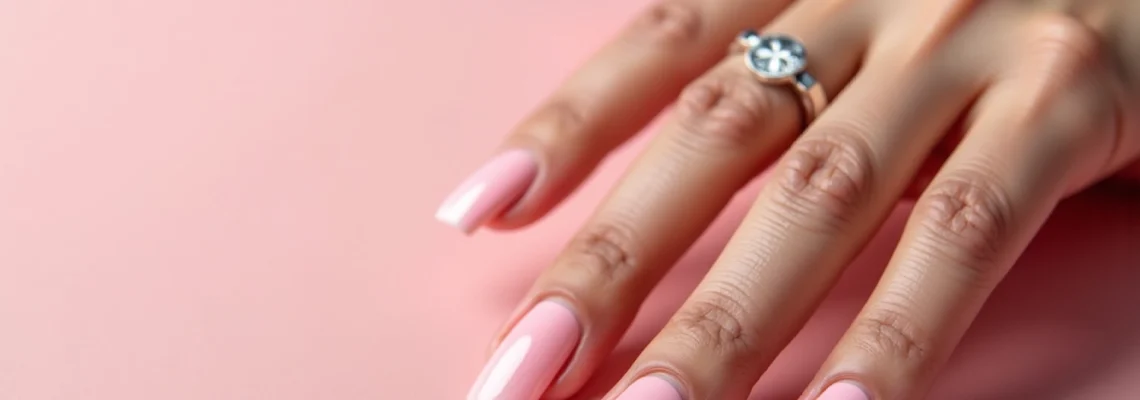
The nail industry has evolved dramatically over the past decade, transforming from simple polish applications to sophisticated beauty services incorporating advanced chemistry and precision techniques. Professional nail care now encompasses everything from matrix health analysis to cutting-edge polymer systems, requiring both technical expertise and artistic flair. Modern manicure services utilise hospital-grade sterilisation protocols, LED curing technology, and innovative extension methods that deliver salon-quality results lasting weeks rather than days. This comprehensive approach to nail enhancement has created new opportunities for both professionals and enthusiasts seeking to master the art of impeccable nail presentation.
Essential nail anatomy and cuticle health management
Understanding nail anatomy forms the foundation of professional manicure services and effective home care routines. The nail unit consists of several interconnected structures, each playing a crucial role in overall nail health and appearance. Proper anatomical knowledge enables technicians to identify potential issues early and implement targeted treatment strategies that promote optimal nail growth and strength.
Matrix function and keratin production in nail growth
The nail matrix, located beneath the proximal nail fold, serves as the production centre for keratin cells that form the nail plate. This specialised tissue generates approximately 0.1 millimetres of nail growth daily, with fingernails growing faster than toenails due to increased blood circulation. Matrix health directly influences nail thickness, strength, and surface texture, making it essential to protect this delicate area from trauma and chemical damage.
Keratin production within the matrix follows a complex biochemical process involving protein synthesis and cellular differentiation. Environmental factors such as temperature, nutrition, and hormonal fluctuations can significantly impact this process, leading to variations in nail quality and growth rate. Professional technicians often assess matrix function by examining the lunula visibility and nail plate characteristics to determine appropriate treatment protocols.
Cuticle care techniques using pusher tools and nippers
Cuticle management requires precision tools and proper technique to prevent infection and maintain healthy periungual skin. Professional-grade cuticle pushers made from stainless steel or medical-grade materials provide superior control during cuticle manipulation. The correct pushing angle, typically 45 degrees to the nail surface, ensures effective cuticle displacement without causing micro-tears or trauma to the delicate skin.
Professional cuticle care involves understanding the difference between true cuticle tissue and excess eponychium, as improper removal can lead to chronic inflammation and nail bed complications.
Cuticle nippers should only be used for removing excess dead tissue, never for cutting living skin. The blades must maintain surgical sharpness to ensure clean cuts that heal quickly without scarring. Proper sterilisation between clients prevents cross-contamination and maintains professional hygiene standards essential for client safety.
Nail plate thickness assessment and strengthening methods
Nail plate thickness varies significantly between individuals, typically measuring 0.5 to 0.75 millimetres in healthy adults. Thickness assessment helps determine appropriate filing techniques and product selection for optimal results. Thin nail plates require gentler handling and may benefit from strengthening treatments, while thicker nails can accommodate more aggressive shaping and enhancement procedures.
Strengthening methods include topical treatments containing calcium, biotin, and keratin-building amino acids. These formulations penetrate the nail plate to reinforce the protein matrix and improve flexibility. Regular application of strengthening base coats creates a protective barrier that prevents splitting and peeling while promoting healthier nail growth patterns.
Periungual skin maintenance and hangnail prevention
The skin surrounding the nail unit requires specific care to prevent hangnails, infections, and chronic inflammation. Periungual skin maintenance involves regular moisturisation with specialised cuticle oils containing vitamin E, jojoba oil, and essential fatty acids. These nutrients promote cellular regeneration and maintain skin elasticity, reducing the likelihood of painful tears and splits.
Hangnail prevention strategies include avoiding aggressive cuticle cutting, maintaining adequate hydration, and protecting hands from harsh chemicals. When hangnails do occur, immediate treatment with antiseptic solutions and protective bandaging prevents bacterial invasion and promotes rapid healing. Professional technicians educate clients on proper home care techniques to minimise recurring issues.
Professional nail preparation and sanitisation protocols
Professional nail services demand rigorous sanitisation protocols that exceed basic hygiene standards to ensure client safety and regulatory compliance. These comprehensive procedures encompass tool sterilisation, surface disinfection, and contamination prevention measures that create a clinical environment suitable for intimate beauty services. Hospital-grade sanitisation has become the industry standard, requiring significant investment in equipment and training but delivering unparalleled safety assurance.
Autoclave sterilisation for metal tools and equipment
Autoclave sterilisation represents the gold standard for metal tool disinfection, utilising high-pressure steam at temperatures exceeding 121°C to eliminate all microbial life. The sterilisation cycle typically requires 15-20 minutes at proper temperature and pressure to achieve complete pathogen destruction. Professional autoclaves incorporate monitoring systems that document temperature, pressure, and time parameters to ensure consistent sterilisation results.
Proper autoclave operation requires careful tool preparation, including thorough cleaning to remove all debris before sterilisation. Tools must be properly positioned within the chamber to ensure steam penetration to all surfaces. Post-sterilisation storage in sterile pouches maintains tool cleanliness until use, with expiration dates ensuring timely replacement of stored instruments.
Epa-registered Hospital-Grade disinfectants application
EPA-registered disinfectants provide verified antimicrobial efficacy against specific pathogens commonly encountered in salon environments. These formulations require precise dilution ratios and contact times to achieve stated kill claims, making proper application technique crucial for effectiveness. Hospital-grade disinfectants typically contain quaternary ammonium compounds, phenolics, or alcohol-based active ingredients proven effective against bacteria, viruses, and fungi.
Surface disinfection protocols require complete cleaning before disinfectant application, as organic matter can interfere with antimicrobial action. Contact time compliance ensures pathogen destruction, with most products requiring 30 seconds to 10 minutes depending on target organisms. Documentation of disinfection procedures provides regulatory compliance evidence and quality assurance records.
Single-use file systems and Cross-Contamination prevention
Single-use file systems eliminate cross-contamination risks associated with traditional reusable files that cannot be adequately sterilised. These disposable tools maintain consistent grit ratings and cutting performance while providing each client with virgin filing surfaces. Cross-contamination prevention extends beyond tools to include work surface barriers, disposable towels, and individual product portions.
Single-use systems represent a paradigm shift in salon hygiene, prioritising client safety over traditional cost considerations while maintaining professional service standards.
Implementation of single-use protocols requires careful inventory management and cost analysis to ensure sustainable business operations. Many salons offset increased supply costs through premium service pricing that emphasises superior hygiene standards. Client education about these safety measures often increases satisfaction and loyalty, creating long-term business value.
Cuticle softening solutions: AHA and glycolic acid treatments
Alpha hydroxy acids (AHA) and glycolic acid treatments provide gentle yet effective cuticle softening through controlled chemical exfoliation. These formulations break down dead skin cell bonds, making cuticle removal easier and less traumatic. Glycolic acid, with its small molecular size, penetrates effectively while maintaining pH levels that prevent chemical burns when properly formulated.
Professional cuticle softening solutions typically contain 2-10% glycolic acid with pH buffering systems that ensure safe application. Treatment time varies from 30 seconds to several minutes depending on acid concentration and individual skin sensitivity. Neutralisation with alkaline solutions stops the chemical action and prevents over-exfoliation that could damage healthy tissue.
Advanced gel polish application and curing technology
Gel polish technology has revolutionised the manicure industry by delivering superior durability, high-gloss finish, and chip-resistant wear that traditional lacquers cannot match. This advanced polymer system requires precise application techniques and sophisticated curing technology to achieve optimal results. Professional gel systems incorporate oligomers, monomers, and photoinitiators that react under specific light wavelengths to form durable cross-linked networks resistant to wear and environmental damage.
LED vs UV lamp curing: wavelength specifications and timing
LED curing systems operate at specific wavelengths, typically 365-405 nanometres, that efficiently activate photoinitiators in modern gel formulations. These systems cure most gel products in 30-60 seconds compared to 2-3 minutes required by traditional UV lamps. LED technology generates less heat, reducing client discomfort while providing more consistent curing across the nail surface.
UV lamp systems utilise broad-spectrum output that activates various photoinitiator types but require longer cure times and generate significant heat. Bulb replacement schedules are critical for maintaining curing efficiency, as UV output diminishes over time. Professional UV systems incorporate timers and safety shutoffs that protect both client and technician from excessive exposure.
| Curing Method | Cure Time | Heat Generation | Energy Efficiency |
|---|---|---|---|
| LED | 30-60 seconds | Low | High |
| UV | 2-3 minutes | High | Moderate |
Base coat adhesion chemistry for Long-Lasting wear
Base coat formulations utilise specialised adhesion promoters that create molecular bonds between the natural nail plate and gel polymer system. These formulations often contain silane coupling agents that chemically bridge the keratin structure with gel monomers, creating superior adhesion compared to mechanical bonding alone. Proper base coat application requires thin, even coverage that reaches the nail edges without flooding the cuticle area.
Adhesion enhancement techniques include light nail plate etching with fine abrasives to increase surface area and improve mechanical bonding. Dehydration with isopropyl alcohol removes natural oils that could interfere with adhesion. Some professional systems incorporate acid-free primers that chemically prepare the nail surface for optimal gel bonding without damaging the natural nail structure.
Top coat formulations: High-Gloss and matte finish options
High-gloss top coats contain leveling agents and optical brighteners that create mirror-like finishes with exceptional depth and clarity. These formulations incorporate silicone additives that enhance flow properties and eliminate brush marks during application. UV stability enhancers prevent yellowing and maintain colour integrity throughout the manicure lifecycle.
Matte finish formulations utilise silica particles or specialised matting agents that scatter light to create non-reflective surfaces. These products require careful application technique to avoid streaking and ensure uniform texture. Some matte systems can be applied over existing glossy manicures to transform the finish without complete removal.
Gel removal techniques using acetone and E-File systems
Professional gel removal combines acetone soaking with mechanical reduction using electric file systems to minimise removal time and nail damage. Acetone concentration of 95-100% provides optimal gel dissolution, while lower concentrations require extended soaking times that may cause excessive nail dehydration. Temperature elevation to 40-50°C accelerates the removal process while maintaining client comfort.
E-file systems utilise diamond or ceramic bits to mechanically reduce gel thickness before acetone application. This hybrid approach significantly reduces soaking time and prevents over-exposure to acetone that could cause nail brittleness. Proper bit selection and speed control prevent heat generation and nail damage during mechanical removal.
Professional gel removal requires balancing efficiency with nail health preservation, utilising both chemical and mechanical methods to achieve optimal results without compromising natural nail integrity.
Contemporary nail art techniques and trend analysis
Contemporary nail art has evolved into a sophisticated artistic medium that combines traditional painting techniques with innovative materials and application methods. Current trends emphasise minimalist designs, geometric patterns, and textural elements that create visual interest without overwhelming complexity. Professional nail artists now utilise airbrush systems, stamping plates, and digital printing technology to achieve precise designs that were impossible with traditional brush techniques alone.
The rise of social media has dramatically influenced nail art trends, with platforms like Instagram and TikTok driving rapid style evolution and client demand for trending designs. Seasonal colour palettes shift more frequently than traditional fashion cycles, requiring nail professionals to constantly update their technique repertoires and product inventories. Micro-trends can emerge and peak within weeks, creating opportunities for agile professionals who can quickly adapt to changing client preferences.
Advanced nail art incorporates three-dimensional elements including crystals, foils, and textural gels that create sculptural effects. These techniques require specialised adhesives and sealing methods to ensure longevity without compromising wearability. Chrome powders and holographic films provide futuristic finishes that change appearance under different lighting conditions, appealing to clients seeking unique and eye-catching designs.
Colour psychology plays an increasingly important role in nail art selection, with clients choosing hues that reflect mood, personality, or special occasions. Nude variations remain consistently popular for professional environments, while bold colours and intricate designs dominate evening and special event applications. Custom colour matching services allow clients to coordinate nail colours with specific garments or accessories, elevating nail art from decorative enhancement to integral fashion component.
Nail extension methods: acrylic, polygel, and dip systems
Nail extension technology has diversified significantly beyond traditional acrylic systems to include polygel hybrids and dip powder applications that offer distinct advantages for different client needs and preferences. Each system utilises unique chemistry and application techniques that require specialised training and equipment for optimal results. Professional extension systems now accommodate various nail shapes, lengths, and strength requirements while maintaining natural appearance and comfortable wear.
Acrylic extensions remain the most versatile system, utilising liquid monomer and polymer powder that react to form rigid nail extensions. This system allows for significant length additions and shape modifications while providing excellent durability for active lifestyles. Modern acrylic formulations incorporate odour reduction technology and improved flexibility that enhances comfort without compromising strength. The system’s repair capabilities make it ideal for clients prone to nail breakage or those requiring frequent maintenance.
Polygel systems combine the strength of acrylics with the workability of gels, creating hybrid formulations that cure under LED or UV light rather than air polymerisation. This controlled curing process allows extended working time for precise shaping and reduces the risk of application errors. Polygel extensions typically require less filing and shaping than traditional acrylics, reducing appointment time while achieving superior surface quality. The system’s lighter weight makes it more comfortable for extended wear, particularly with longer nail extensions.
Dip powder systems utilise cyanoacrylate adhesives with finely milled acrylic powders to create durable nail extensions and overlays. This method eliminates liquid exposure concerns while providing excellent adhesion and longevity. The application process involves multiple thin layers that build strength gradually, resulting in more natural-looking extensions with reduced thickness. Dip systems often incorporate vitamins and strengthening agents that benefit natural nail health during wear.
| Extension Method | Curing Method | Working Time | Durability Rating |
|---|---|---|---|
| Acrylic | Air polymerisation | 2-3 minutes | High |
| Polygel | LED/UV curing | Extended | High |
| Dip Powder | Chemical reaction | Quick application | Moderate-High |
Professional tool selection and maintenance protocols
Professional nail technicians require carefully curated tool collections that balance performance, durability, and hygiene requirements while accommodating diverse service offerings and client needs. Quality tool selection directly impacts service efficiency, result consistency, and long-term operational costs. Investment-grade instruments manufactured from surgical stainless steel or titanium alloys provide superior performance and longevity compared to consumer-grade alternatives, justifying their higher initial cost through extended service life and reduced replacement frequency.
Electric file systems have become essential for efficient nail preparation, extension work, and gel removal procedures. Professional e-files offer variable speed control, forward and reverse rotation, an
d torque adjustment features that accommodate various bit types and applications. Handpiece ergonomics significantly impact technician comfort during extended use, with balanced weight distribution and vibration dampening reducing hand fatigue. Carbide and diamond bits require specific speed ranges for optimal performance, with ceramic bits offering cooler operation for sensitive nail work.
Tool maintenance protocols extend instrument lifespan while ensuring consistent performance and client safety. Daily cleaning with enzymatic solutions removes protein deposits and organic debris that can harbour pathogens. Weekly sharpening schedules for metal tools maintain cutting efficiency and reduce the force required for precise work. Proper storage systems protect delicate instruments from damage while maintaining organisation that streamlines service delivery.
Quality assurance programs involve regular tool inspection for wear patterns, damage, or performance degradation that could compromise service quality. Professional tool investment represents a significant business expense that requires careful planning and budgeting. However, superior instruments enhance service capabilities, reduce working time, and create professional impressions that justify premium pricing structures. Many professionals maintain multiple sets of key instruments to ensure service continuity during sterilisation cycles.
Replacement schedules vary by tool type and usage frequency, with high-wear items like files and buffers requiring more frequent replacement than durable metal instruments. Cost-benefit analysis helps determine optimal replacement timing that balances performance with operational expenses. Professional suppliers often provide volume discounts and replacement programs that reduce overall tool costs while ensuring access to the latest technological advances.
The modern nail technician’s toolkit represents a sophisticated collection of precision instruments that rival medical and dental equipment in terms of quality and specialisation requirements.
Emerging technologies continue to reshape professional tool requirements, with ultrasonic cleaning systems, automated sterilisation monitoring, and digital colour matching devices becoming standard equipment in progressive salons. Investment in cutting-edge technology positions practices for future growth while demonstrating commitment to excellence that attracts discerning clientele. The evolution from basic beauty services to technical specialisation has elevated the nail industry to new levels of professionalism and client satisfaction.